Category: LIVING ROOM

  • 10 Modern LED Panel Design Ideas for Living Room

    10 Modern LED Panel Design Ideas for Living Room

    Lighting has become one of the most important elements in modern interior design, and LED panel designs are now a favorite choice for living rooms. They do much more than simply brighten a space. A thoughtfully designed LED panel can define the mood of the room, create depth, highlight furniture, and give the entire living area a polished, contemporary look. Modern homeowners prefer LED panels because they are energy-efficient, sleek, versatile, and available in endless styles.

    The living room is often the heart of the home. It is where family gathers, guests are welcomed, and relaxation happens after a long day. Because of that, lighting should feel both functional and stylish. A modern LED panel design can completely transform the atmosphere of your living room, whether you prefer minimal elegance, dramatic luxury, or warm cozy interiors.

    Here are ten modern LED panel design ideas that can instantly elevate your living room.

    1. Recessed Ceiling LED Panels

    Recessed LED panels are among the most popular modern lighting choices for living rooms. These panels are installed directly into the ceiling, creating a clean and seamless appearance. They work especially well in minimalist homes where simplicity and uncluttered design matter.

    The beauty of recessed panels lies in their ability to provide uniform illumination. Unlike hanging lights or bulky fixtures, recessed LED panels blend into the ceiling and make the room look more spacious. Large living rooms can use multiple rectangular panels for balanced lighting, while smaller rooms can use one large panel in the center.

    To make the space feel warmer, soft white LEDs work best. Cool white can give a sharper, more contemporary feel.

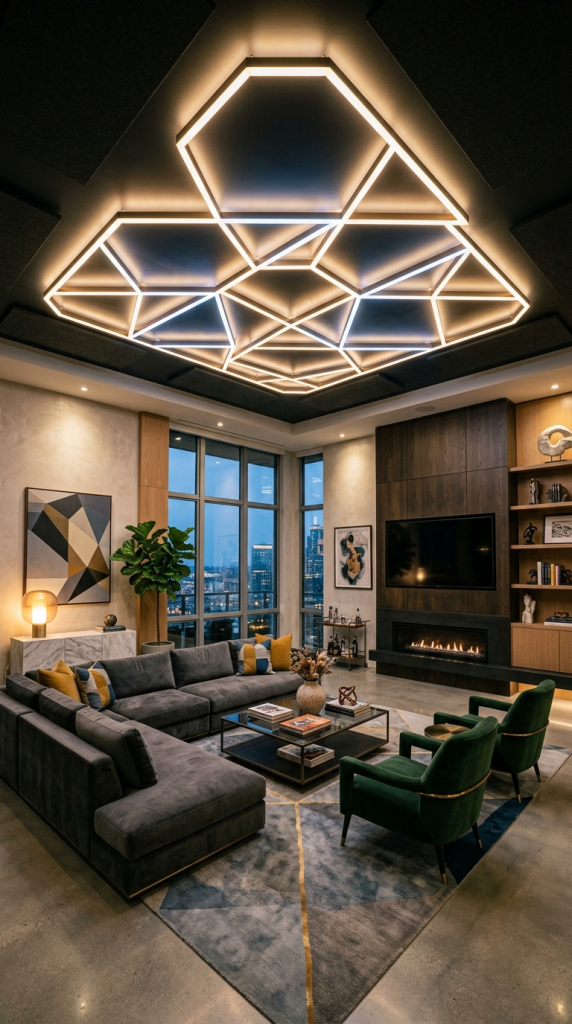
    2. Geometric LED Panel Patterns

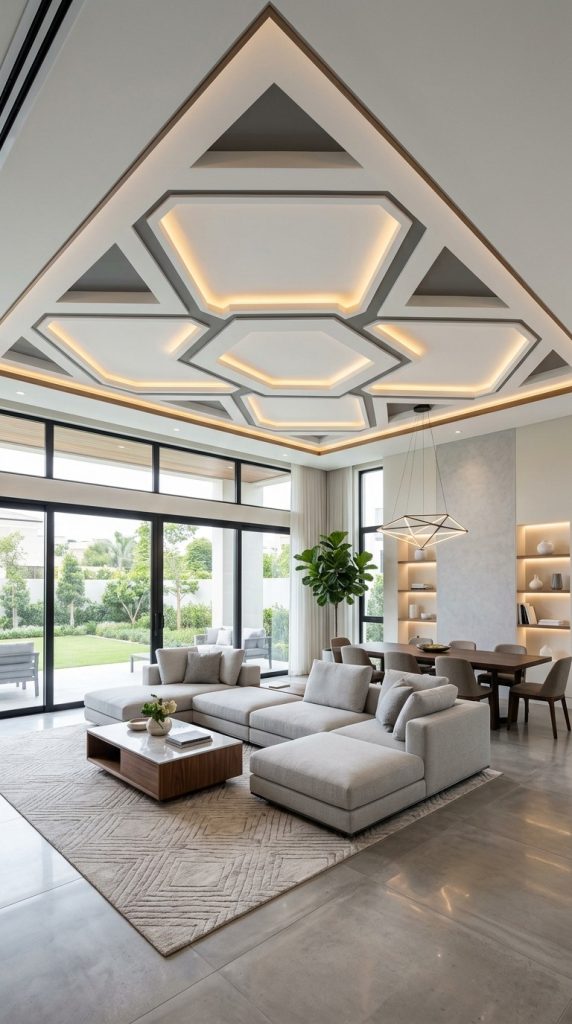
    Geometric LED panel designs are ideal for homeowners who want their ceiling to become a statement feature. Instead of plain square panels, geometric layouts use hexagons, triangles, rectangles, or layered shapes to create visual interest.

    This type of design brings artistic character to a modern living room. It pairs beautifully with sleek furniture, glass tables, and neutral color palettes. Geometric LED arrangements can also act as a focal point, especially in open-plan living spaces.

    A combination of warm lighting with matte ceiling finishes creates an elegant and luxurious effect without overwhelming the room.
    3. Floating Ceiling with Hidden LED Panels

    A floating ceiling creates the illusion that part of the ceiling is suspended. Hidden LED panels or concealed strip lighting are installed around the edges, allowing light to softly spill out from behind the structure.

    This design adds depth and dimension to the living room. It is especially effective in modern apartments and contemporary homes where layered lighting is preferred. The glow is subtle and sophisticated, making the room feel calm and inviting.

    Floating ceiling LED designs are particularly attractive in living rooms with modern sofas, textured walls, and minimal décor.
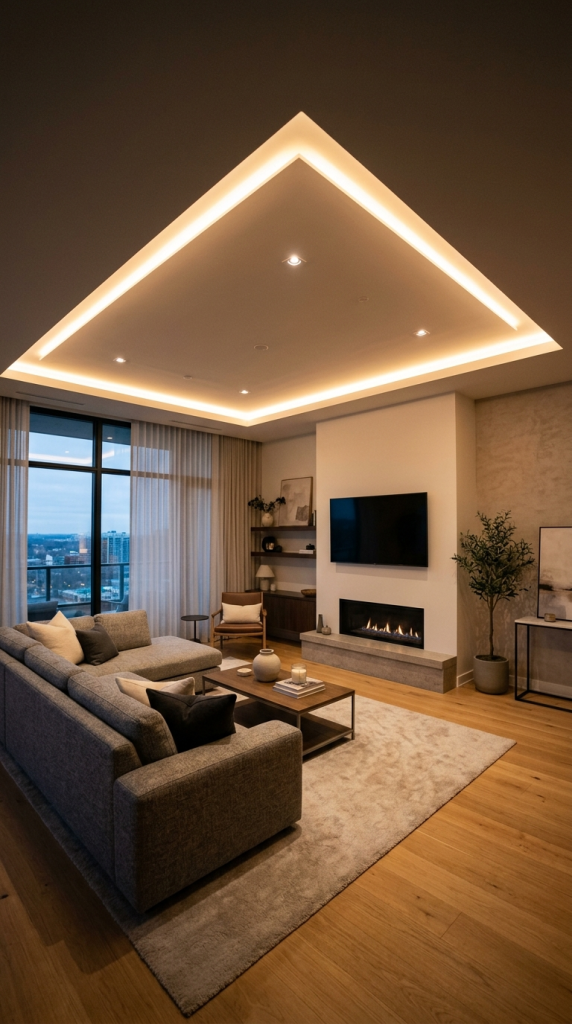
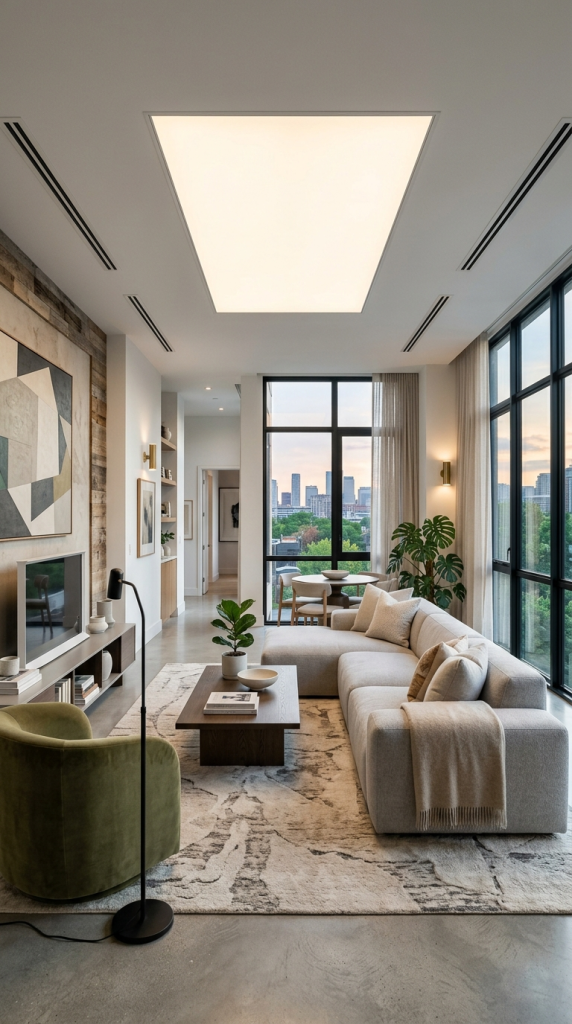
    4. Large Central LED Panel Feature

    Instead of using a chandelier as the main centerpiece, many modern living rooms now use one large central LED panel. This design creates a bold yet clean focal point.

    A square or rectangular panel placed in the center of the ceiling provides strong ambient lighting while maintaining a modern aesthetic. Some homeowners choose layered central panels with slight elevation differences to create more dimension.

    This idea works especially well in medium to large living rooms. When paired with recessed perimeter lights, the effect feels balanced, elegant, and practical.
    5. LED Panel Accent Wall Design

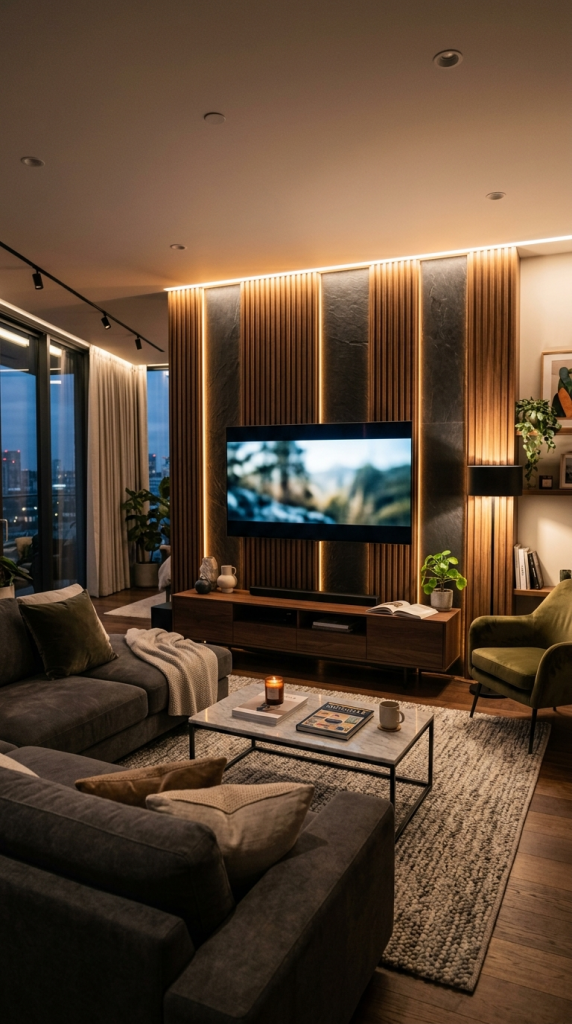
    LED panels are not limited to ceilings. A modern living room can also feature LED panels on a wall, turning it into a striking accent feature.

    These wall panels can be placed behind the TV unit, behind the sofa, or on a decorative focal wall. Soft backlit panels create a cozy and luxurious mood. Textured wall finishes combined with LED backlighting make the room feel stylish and designer-inspired.

    This idea is excellent for those who want to add drama without cluttering the room with too many decorative items.
    6. Wooden Frame LED Panel Ceiling

    Wood and LED lighting make a beautiful modern combination. Wooden frames or wooden ceiling accents paired with LED panels bring warmth into contemporary living rooms.

    The clean lines of LED lighting balance the natural richness of wood. This design works especially well in Scandinavian, modern rustic, or contemporary interiors. Light wood tones create an airy feel, while dark wood adds depth and elegance.

    A wooden frame surrounding LED panels also helps define different sections of the living room, especially in open spaces.

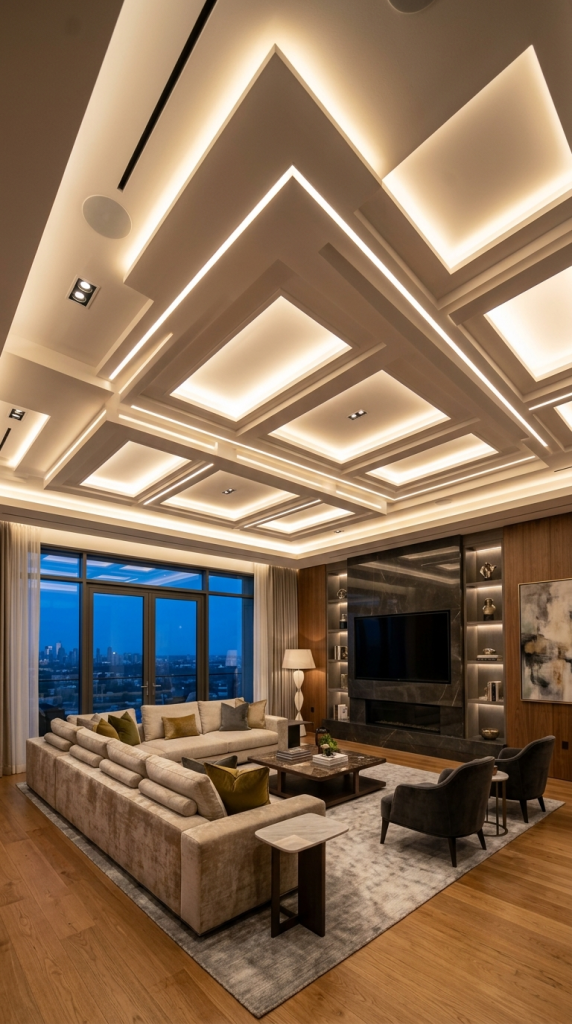
    7. Layered LED Panel Ceiling Design

    Layered ceiling designs use multiple levels or sections to create architectural depth. LED panels can be placed within each layer, giving the ceiling a more dramatic and luxurious appearance.

    This style works beautifully in spacious living rooms. It helps make the room look custom-designed and visually interesting. Instead of flat lighting, layered panels guide the eye upward and make the ceiling itself part of the décor.

    Warm lighting usually works best here because it softens the structure and prevents the room from feeling too harsh.
    8. Minimalist Linear LED Panels

    For ultra-modern interiors, linear LED panel designs are an excellent choice. These use long, narrow light panels arranged in straight lines across the ceiling.

    The result is sleek, architectural, and highly contemporary. Linear designs suit modern urban apartments, minimalist interiors, and homes with simple furniture.

    One of the best things about linear LED panels is that they can visually elongate the room. Horizontal lines can make the ceiling feel wider, while vertical arrangements can add height.

    This style looks especially striking in monochrome or neutral-toned living rooms.

    9. Smart Color-Changing LED Panels

    Modern living rooms increasingly include smart lighting systems. Smart LED panels allow you to change brightness, tone, and even color depending on the mood or occasion.

    Warm white can create a relaxing evening atmosphere, bright daylight tones are ideal for daytime activities, and subtle colors can make gatherings feel lively and unique.

    These panels are practical because they combine style with technology. Many can be controlled through mobile apps or voice assistants, making them a convenient addition to modern homes.

    Smart LED panels are particularly useful in multi-functional living rooms where lighting needs may change throughout the day.

    10. Mixed LED Panel and Cove Lighting

    One of the most elegant modern living room lighting ideas is combining LED panels with cove lighting. The main panels provide functional illumination, while the cove lighting adds softness and depth.

    This layered lighting approach makes the living room feel sophisticated and professionally designed. It prevents flat lighting and creates a more balanced atmosphere.

    Cove lighting around ceiling edges or wall recesses can gently highlight architectural features. When combined with modern LED panels, the result is a refined and luxurious living space.

    This is one of the most versatile options because it works with almost every interior style.

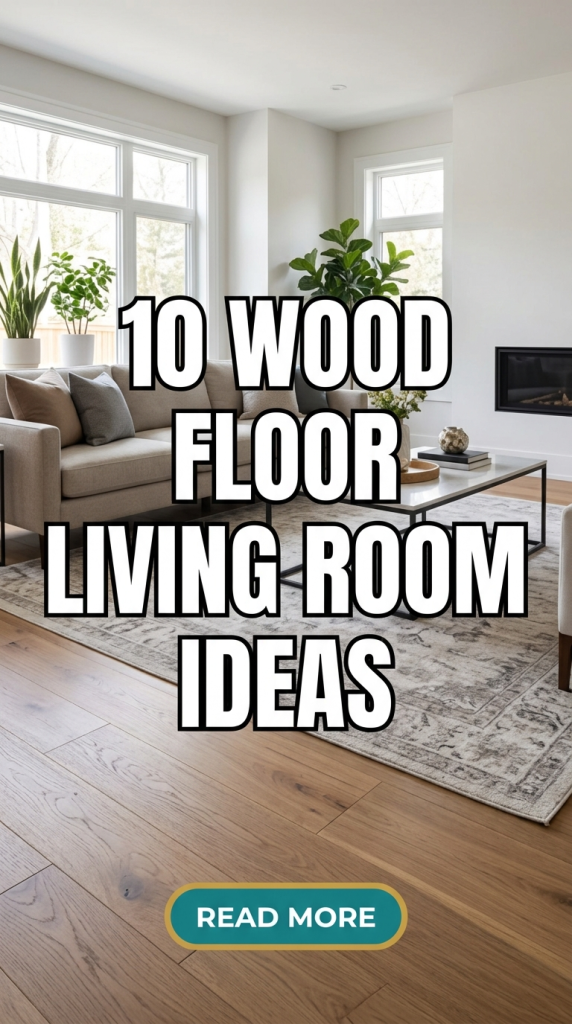
  • 10 Wood Floor Living Room Ideas

    10 Wood Floor Living Room Ideas

    Wood floors have a timeless appeal that can completely transform a living room. They bring warmth, texture, and natural beauty into the home while working with almost every interior style—from modern and minimalist to rustic and traditional. The right wood flooring can make a small room feel brighter, a large room feel more inviting, and an ordinary space feel thoughtfully designed.

    One of the biggest advantages of wood flooring is its versatility. Different tones, plank sizes, finishes, and layout patterns can create very different moods. Whether you prefer airy and light interiors or rich and dramatic spaces, wood floors provide a strong foundation for the rest of your décor.

    Here are ten inspiring wood floor living room ideas that can help you create a stylish and comfortable space.

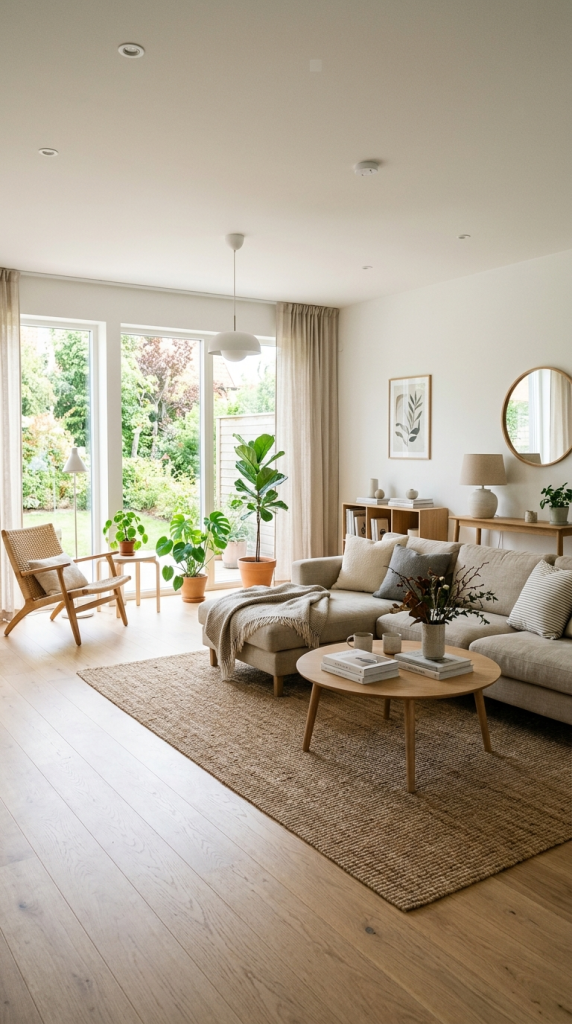
    1. Light Oak for an Airy, Modern Feel

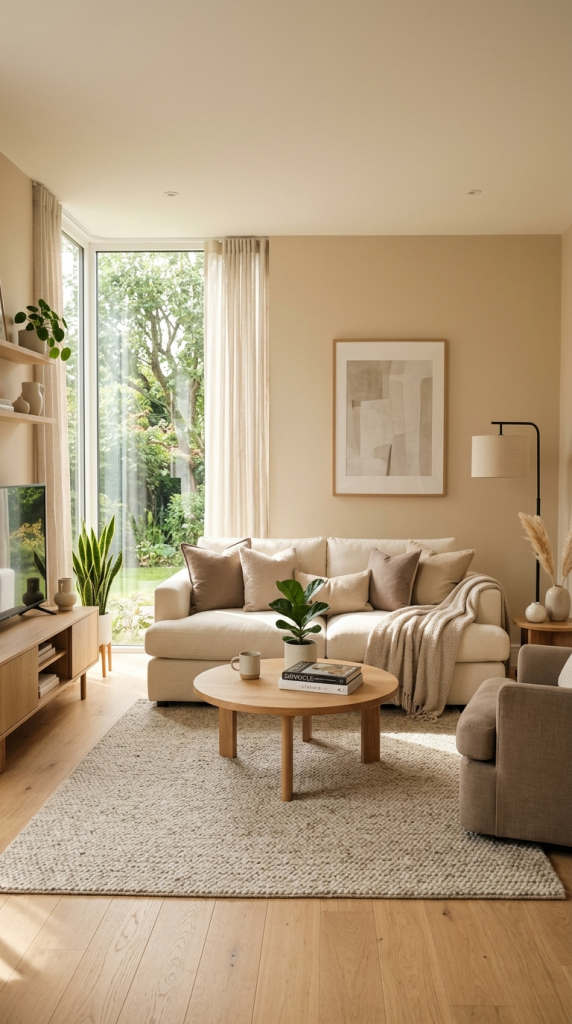
    Light oak flooring is one of the most popular choices for modern living rooms. Its soft natural tone reflects light beautifully, making the room feel larger and brighter. This makes it especially useful for smaller spaces or living rooms that do not receive much natural sunlight.

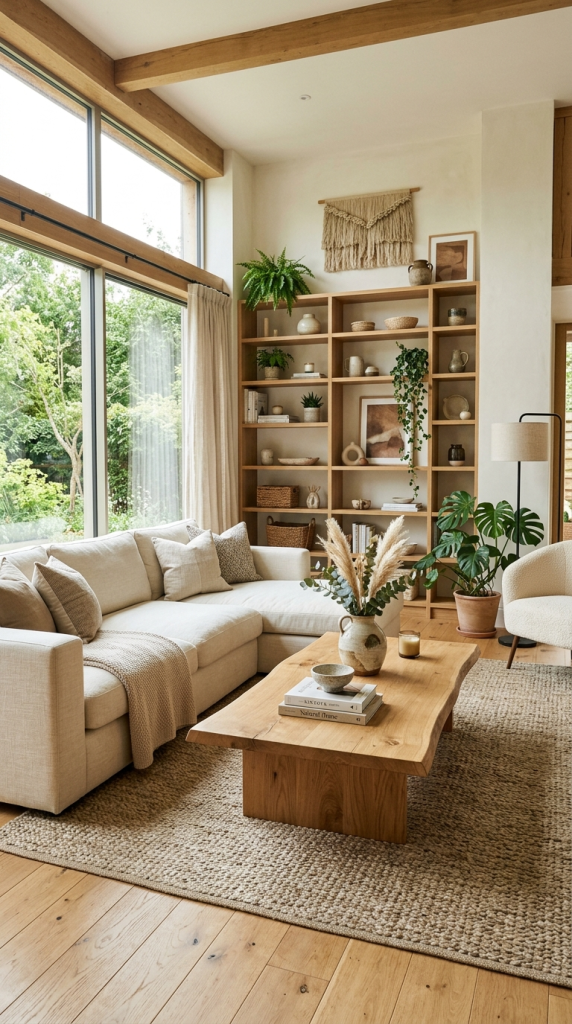
    Pair light oak floors with white walls, neutral-toned sofas, and simple furniture for a clean Scandinavian-inspired look. Natural fabrics such as linen, cotton, and wool help maintain the soft, relaxed atmosphere. A few green indoor plants can add freshness and contrast without overwhelming the space.

    This flooring style is ideal if you want a calm, uncluttered, and welcoming living room.

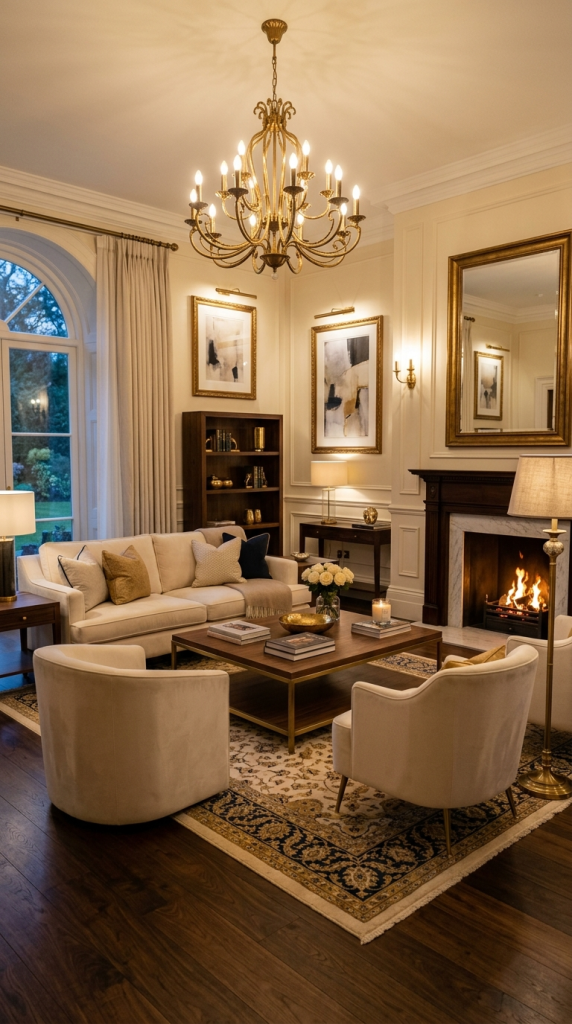
    2. Dark Walnut for Rich Elegance

    If you want a more dramatic and sophisticated look, dark walnut flooring is an excellent choice. Its deep brown tones create a luxurious feeling and instantly add depth to the room.

    Dark wood floors pair beautifully with cream, beige, or soft gray furniture. Metallic accents such as brass, gold, or black iron can elevate the look even more. To prevent the room from feeling too heavy, balance the darker flooring with lighter walls and good lighting.

    A large area rug with subtle patterns can soften the contrast and make the space feel layered and inviting.

    3. Wide Plank Flooring for a Spacious Look

    Wide plank wood flooring creates a seamless appearance that makes a living room feel more open. Fewer visible seams mean the floor looks calmer and less busy, which works especially well in contemporary interiors.

    This idea is perfect for open-plan homes where the living room flows into dining or kitchen areas. Wide planks in natural oak, ash, or maple give the room a refined yet casual feel.

    Keep the décor simple with low-profile furniture, textured cushions, and clean-lined tables. The floor itself becomes a major visual feature, so the rest of the design can remain understated.

    4. Rustic Reclaimed Wood for Character

    Reclaimed wood flooring brings personality, warmth, and a sense of history into a living room. Each plank often has unique grain patterns, knots, and slight imperfections that make the space feel authentic and lived-in.

    This flooring style works beautifully with farmhouse, cottage, bohemian, or industrial interiors. Pair reclaimed wood with soft neutral upholstery, vintage-inspired accessories, and warm ambient lighting.

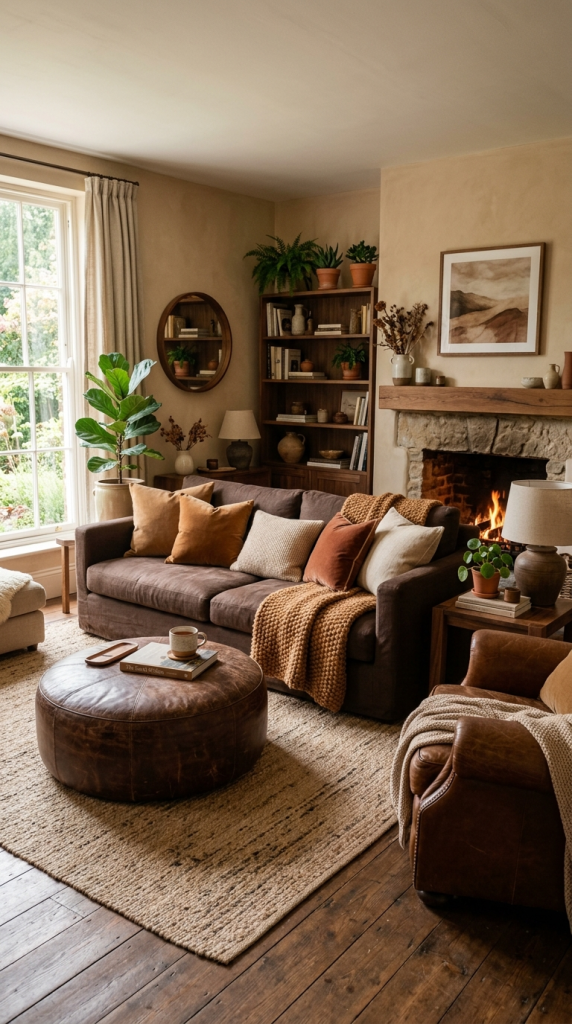
    A leather armchair, woven baskets, and chunky knit throws can complete the cozy look. Reclaimed wood floors are ideal for homeowners who want a room that feels relaxed, grounded, and full of charm.

    5. Gray-Toned Wood for Contemporary Style

    Gray-toned wood floors have become increasingly popular in modern homes. They offer the texture and warmth of wood while adding a sleek contemporary touch.

    These floors look especially striking with white walls, black accents, and minimalist furniture. They also complement cooler color palettes such as charcoal, navy, dusty blue, or soft sage green.

    To keep the room from feeling too cold, add warmth through textiles—think plush rugs, velvet cushions, or warm-toned wood furniture pieces. The contrast creates a balanced and sophisticated living room.

    6. Herringbone Pattern for Visual Interest

    If you want your flooring to make a design statement, consider a herringbone layout. This classic pattern adds movement and elegance without feeling overly ornate.

    Herringbone wood floors work in both traditional and modern living rooms. In a classic interior, pair them with tailored furniture and elegant lighting. In a modern space, keep furniture simple so the floor becomes the main focal point.

    Because the pattern naturally draws the eye, it can make even a simple room feel thoughtfully designed and more luxurious.

    7. Natural Matte Finish for Subtle Beauty

    A matte finish has become a favorite in modern interior design because it looks natural and understated. Unlike glossy floors, matte wood allows the grain and texture of the wood to stand out more softly.

    Matte floors create a calm, organic atmosphere that works beautifully in relaxed living rooms. They are especially effective when combined with earthy tones such as beige, taupe, terracotta, and olive green.

    Layer the room with natural materials like jute rugs, wooden coffee tables, and ceramic décor pieces. The result feels effortless and timeless rather than overly polished.

    8. Mixed Wood Tones for Depth and Warmth

    A common decorating mistake is thinking every wood tone in a room must match perfectly. In reality, mixing wood tones can make a living room feel richer and more interesting.

    For example, medium-toned wood flooring can look beautiful with a darker coffee table, lighter shelves, or warm walnut side chairs. The key is balance. Repeating tones in small ways throughout the room helps everything feel intentional.

    This layered approach prevents the living room from looking flat or overly coordinated. Instead, it feels collected, natural, and visually appealing.

    9. Layered Rugs Over Wood Floors

    Wood floors are beautiful on their own, but adding a rug can make a living room feel softer and more comfortable. Rugs help define seating areas, especially in open spaces, while also adding color and texture.

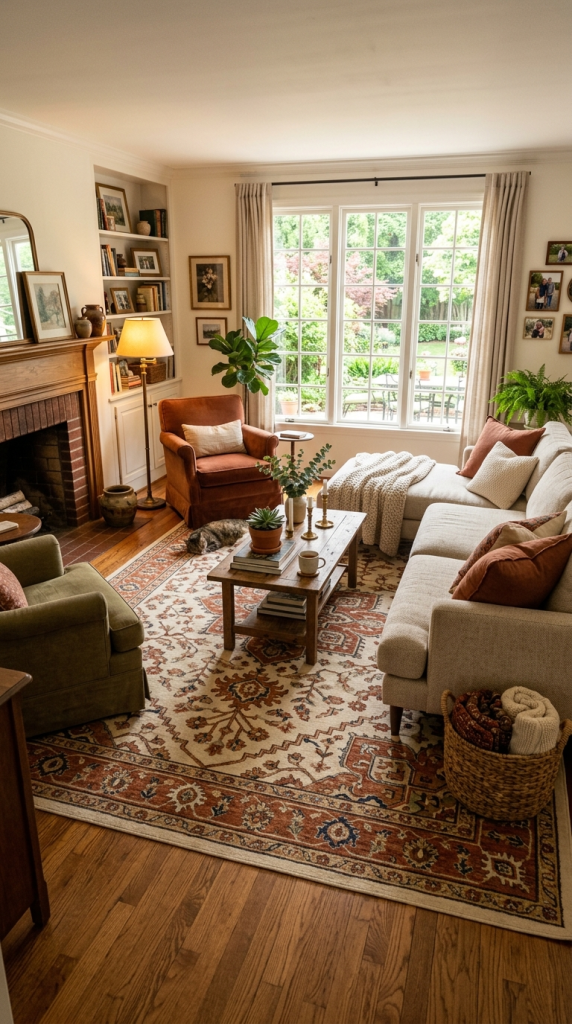
    A large neutral rug can soften dark wood floors, while a patterned vintage-style rug can add character to lighter flooring. Layering smaller rugs can also create a relaxed, designer-inspired look.

    When choosing a rug, make sure it is large enough so at least the front legs of the furniture sit on it. This creates a more grounded and cohesive layout.

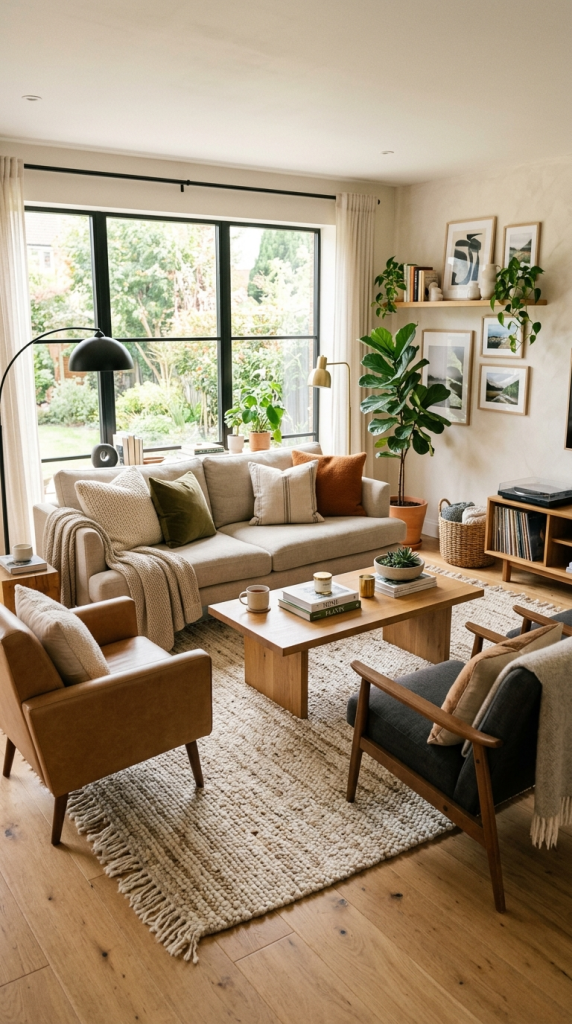
    10. Warm Honey Tones for Timeless Comfort

    Honey-toned wood floors are classic because they feel warm, inviting, and easy to style. They sit comfortably between very light and very dark flooring, making them extremely versatile.
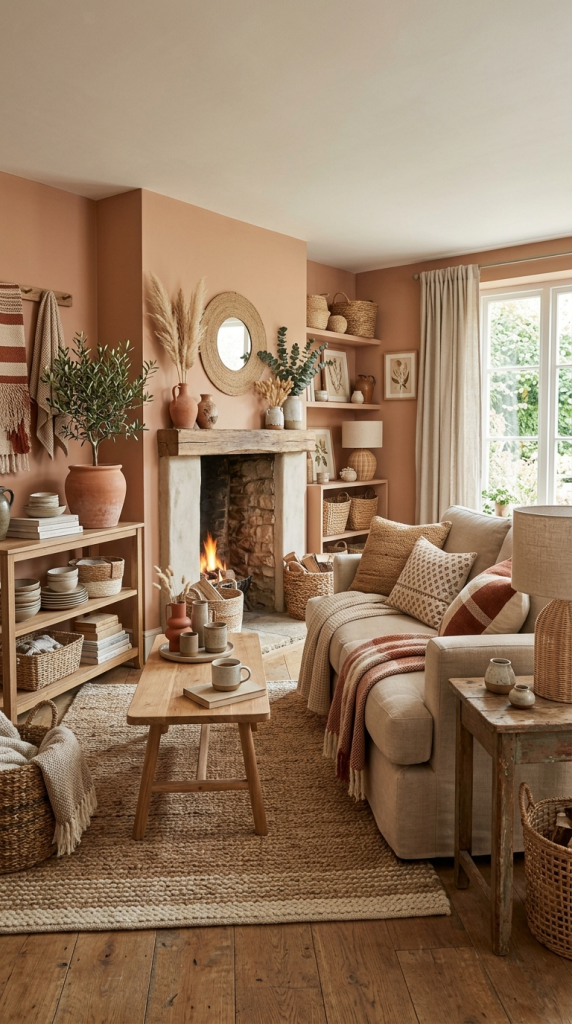
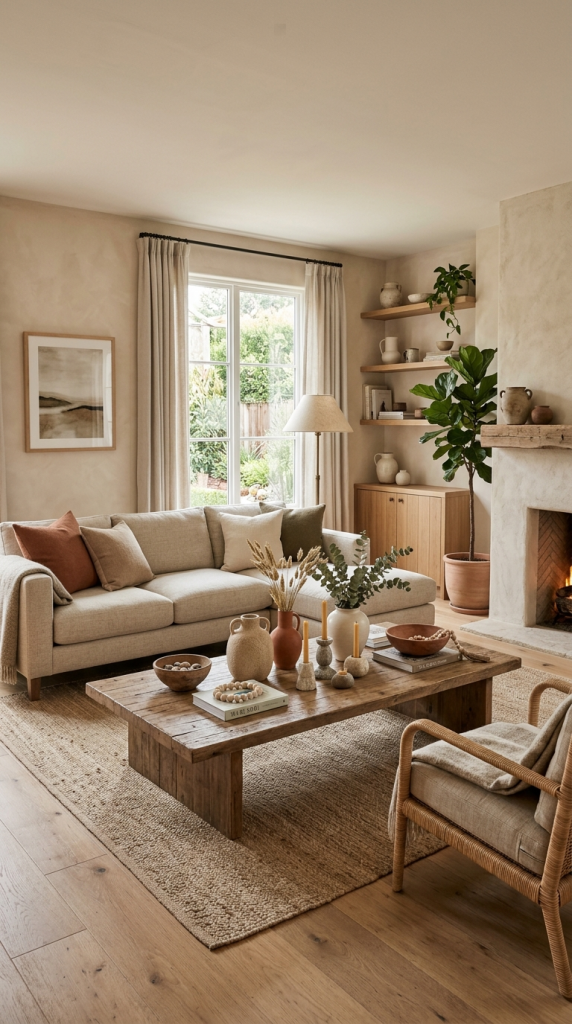
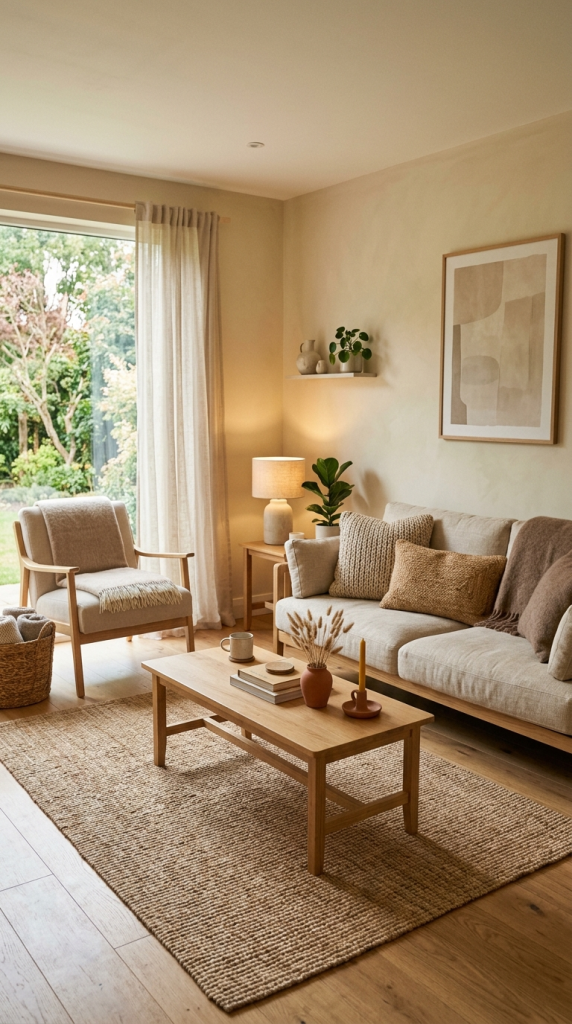
    These floors work beautifully with both modern and traditional interiors. Cream sofas, soft beige walls, warm lighting, and natural textures all complement honey-toned wood perfectly.

    If you want a living room that feels comfortable year-round and never goes out of style, warm honey wood flooring is a dependable choice. It creates the kind of welcoming atmosphere people naturally want to gather in.

  • 10 Earthy Tones Living Room Ideas

    10 Earthy Tones Living Room Ideas

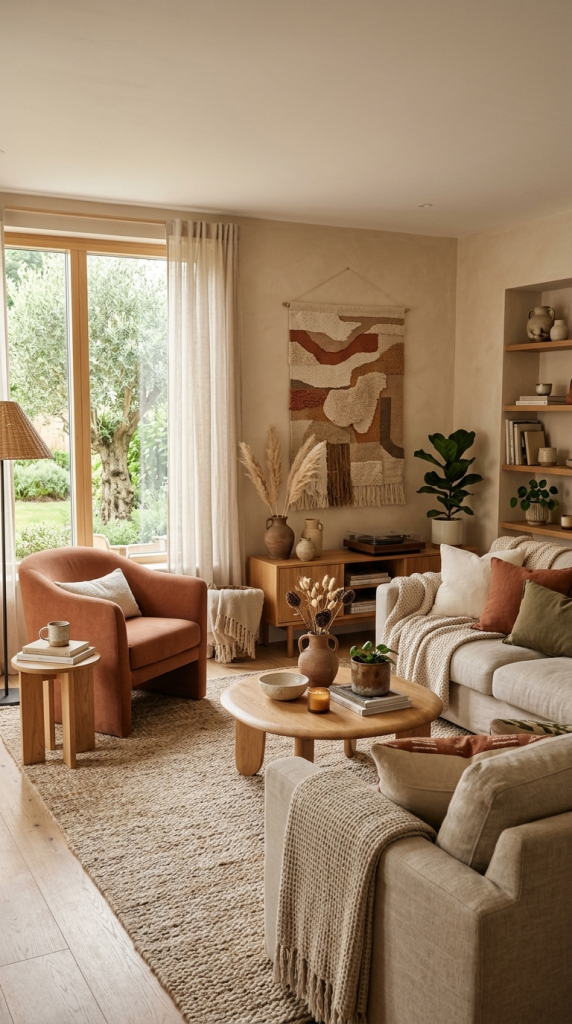
    Earthy tones have become one of the most loved choices for living room interiors, and it is easy to see why. Inspired by nature, earthy shades bring warmth, calmness, and balance into a home. Colors like terracotta, olive green, sandy beige, clay brown, taupe, rust, and soft cream create a space that feels welcoming without looking overly decorated. Unlike bright trends that come and go, earthy interiors have a timeless quality that makes a room feel grounded and comfortable year after year.

    A living room is often the heart of the home. It is where families gather, guests are welcomed, and quiet evenings unfold. Because of that, the atmosphere matters. Earthy tones help create an environment that feels peaceful and lived-in. They work beautifully with natural materials such as wood, linen, jute, leather, and stone, making them perfect for anyone who wants a home that feels connected to nature.

    If you want to refresh your living room but do not want a complete makeover, earthy tones are one of the easiest ways to create a big visual difference. Here are ten beautiful earthy tone living room ideas that can inspire your next interior update.

    1. Warm Beige as the Base Color

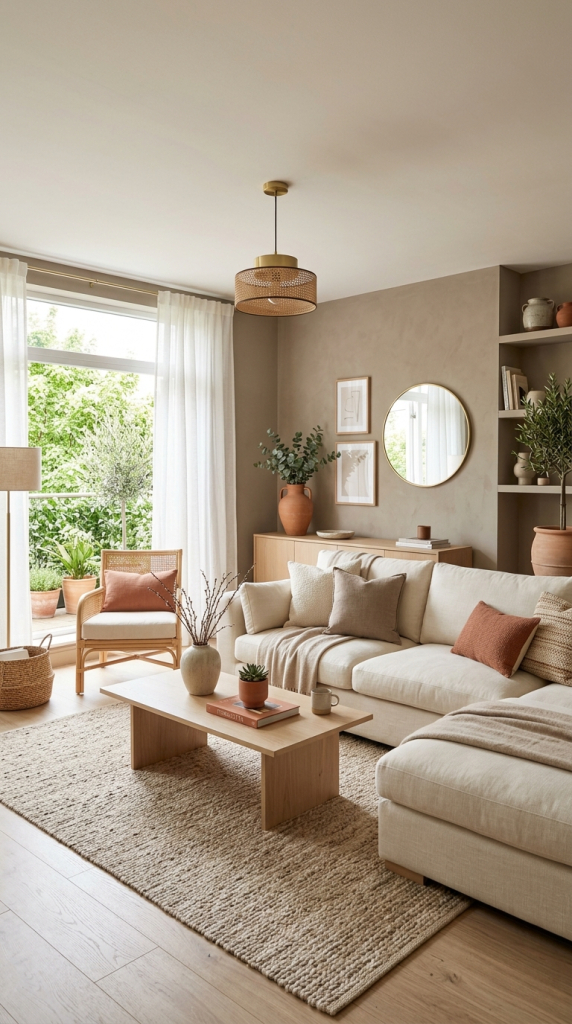
    One of the easiest ways to create an earthy living room is by starting with warm beige walls or furniture. Beige may seem simple, but the right shade can completely transform a room. Warm beige creates softness and allows other earthy colors to stand out without overwhelming the space.

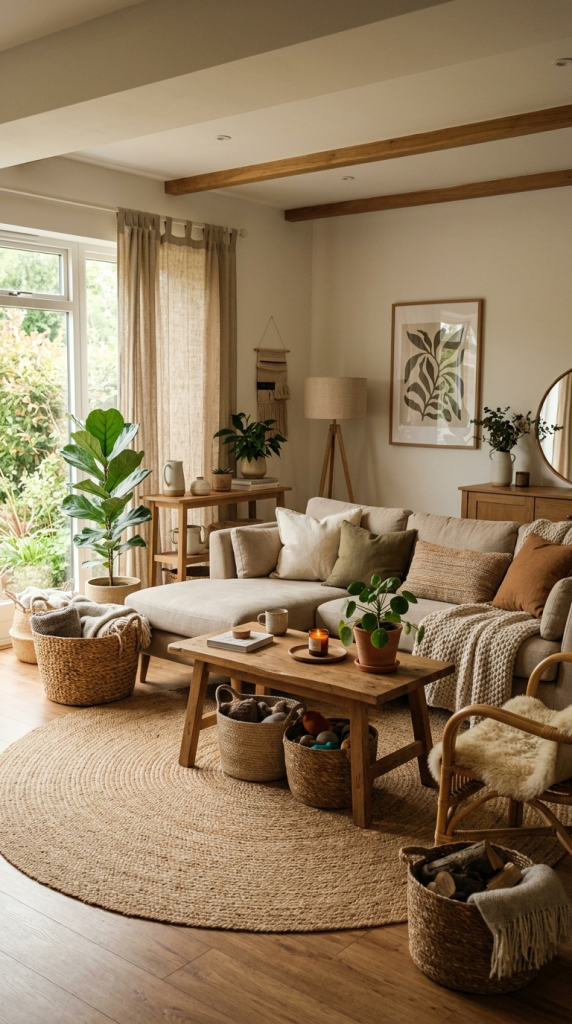
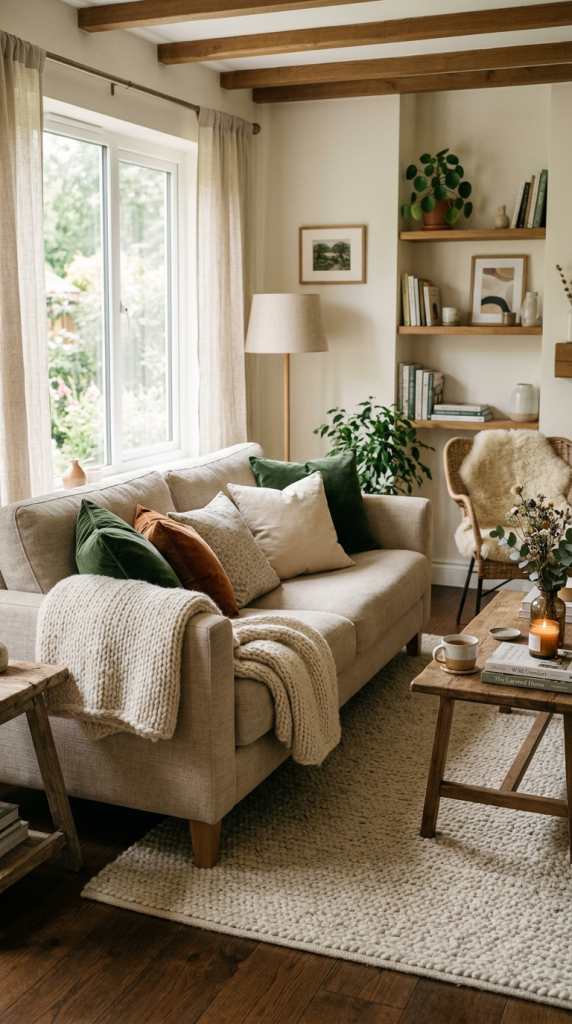
    A beige sofa paired with cream cushions and light wooden furniture creates a clean but cozy foundation. This color also works especially well in small living rooms because it reflects light while still feeling warmer than plain white. To avoid the room looking flat, add texture through knitted throws, woven baskets, or linen curtains.

    2. Terracotta Accents for Natural Warmth

    Terracotta is one of the most popular earthy shades because it instantly adds richness and character. Inspired by sun-baked clay, terracotta carries warmth that makes a living room feel intimate and inviting.

    You do not have to paint the entire room in terracotta. Small accents often work best. A terracotta armchair, decorative cushions, ceramic vases, or a textured rug can introduce the color beautifully. Terracotta pairs especially well with beige, cream, and muted olive green. It also looks striking next to natural wood furniture.

    3. Olive Green for a Calm Organic Feel

    Olive green is another classic earthy tone that brings a subtle outdoor feel indoors. It feels more sophisticated than bright green and creates a relaxing atmosphere.

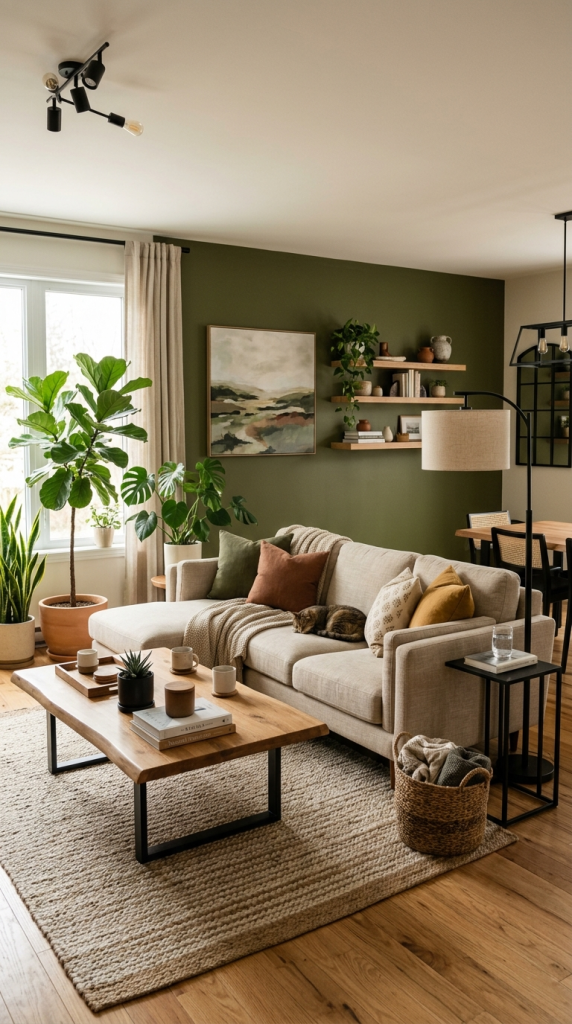
    An olive green accent wall can add depth to a living room without making it feel too dark. If painting is not an option, try olive green curtains, cushions, or an upholstered chair. This color works beautifully with black metal details, rustic wood, and natural textiles. It is especially ideal if you want a living room that feels calm, mature, and effortlessly stylish.

    4. Layer Different Shades of Brown

    Brown often gets overlooked, but it is one of the strongest colors in an earthy palette. The key is layering different shades instead of using one flat tone. Think soft caramel, cocoa, walnut, chestnut, and taupe.

    For example, you could combine a light beige sofa with a darker wooden coffee table, leather ottoman, and woven brown accessories. This layered effect creates warmth and depth. Brown tones make a living room feel grounded and timeless, especially when mixed with natural textures.

    5. Use Natural Wood Generously

    No earthy living room feels complete without natural wood. Wood instantly adds organic warmth, whether it appears in flooring, furniture, wall panels, or small decorative pieces.

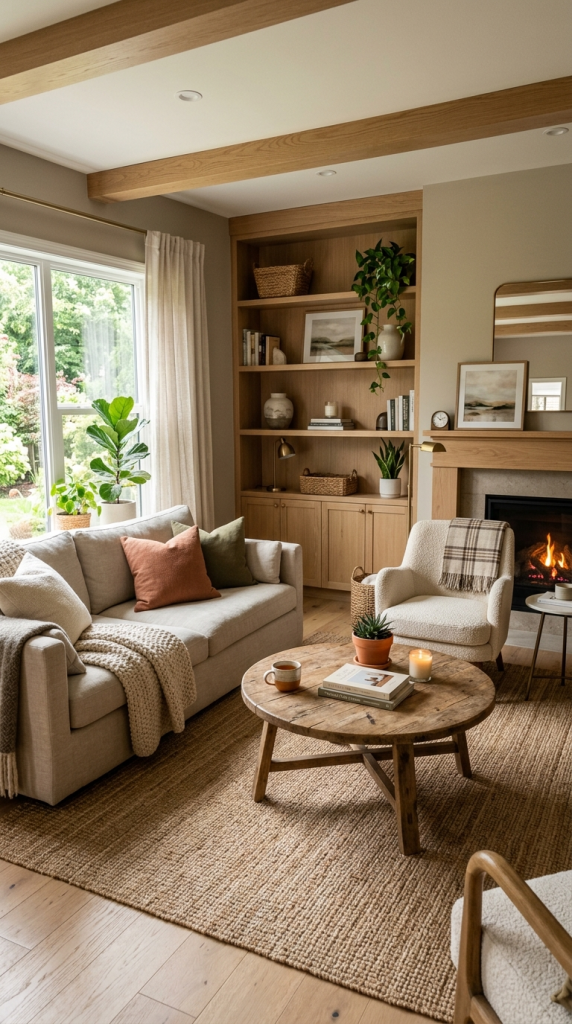
    Light oak creates an airy Scandinavian feel, while darker walnut gives the room a richer and more traditional mood. A wooden coffee table, open shelving, or sideboard can become a beautiful focal point. The natural grain of wood adds texture and authenticity, which makes the room feel more relaxed and less artificial.

    6. Add Texture with Linen and Woven Materials

    Earthy interiors are not just about color. Texture plays a huge role in making the room feel warm and natural. Linen, cotton, jute, rattan, and woven materials all help soften the space.

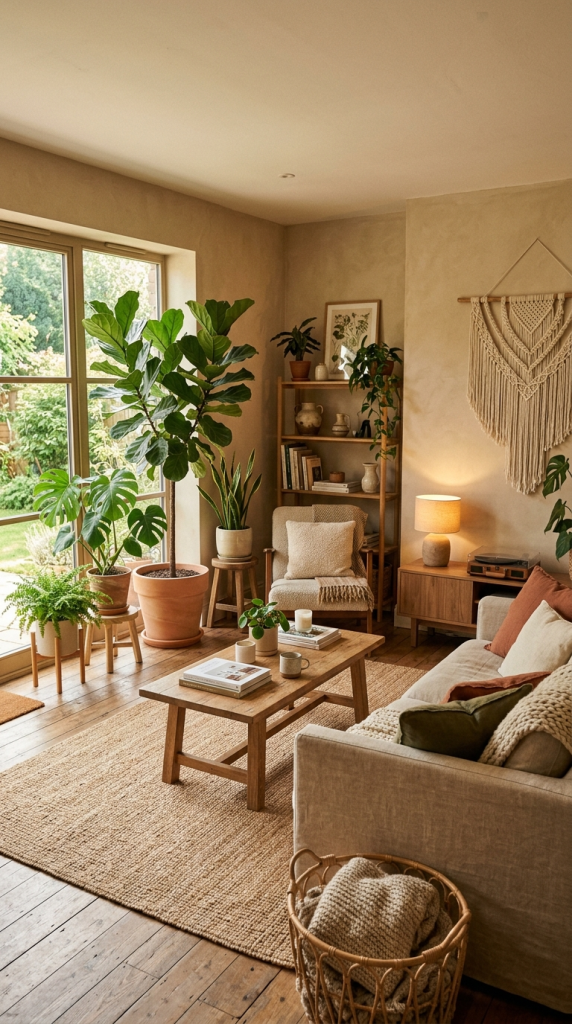
    A jute rug under the coffee table can instantly add an earthy touch. Linen curtains move beautifully in natural light and create a soft, relaxed mood. Woven baskets can be used for storage while also adding visual interest. These details make the living room feel layered, cozy, and thoughtfully designed.

    7. Clay and Stone Decorative Elements

    Decor made from clay, ceramic, or stone brings natural character into a living room. These materials connect beautifully with earthy color palettes because they feel handmade and grounded.

    Large ceramic vases, stone candle holders, or clay bowls can create subtle focal points without looking overly styled. Even small accessories can make a big difference. Choose imperfect finishes and natural textures rather than glossy surfaces. The goal is to make the space feel organic and authentic.

    8. Soft Cream and Taupe for an Airy Earthy Look

    Not every earthy living room has to feel dark or rustic. Soft cream and taupe create a lighter version of the earthy aesthetic while still keeping warmth.

    This approach works especially well in homes that receive plenty of daylight. A cream sofa, taupe walls, pale wood furniture, and minimal decor can make the room feel elegant, fresh, and calm. Adding just a few darker accents like terracotta or brown keeps the space balanced and prevents it from looking too plain.

    9. Introduce Indoor Plants

    Indoor plants naturally belong in earthy living rooms. They add life, freshness, and a direct connection to nature. Even a simple plant can soften a room and make it feel more welcoming.

    Large leafy plants in clay pots work beautifully in corners, while smaller plants can be placed on shelves or coffee tables. Plants pair especially well with beige, olive, terracotta, and wood tones. They help complete the earthy look without requiring major decorating changes.

    10. Keep the Space Relaxed and Uncluttered

    An earthy living room should feel peaceful, not crowded. One of the best ways to achieve this is by keeping the layout simple and uncluttered.

    Choose furniture with clean lines and focus on a few well-chosen pieces instead of filling every corner. Let natural textures and colors do most of the work. Open space, soft lighting, and thoughtful accessories create a room that feels balanced and easy to live in.

    Earthy interiors are at their best when they feel effortless rather than overly styled. A relaxed arrangement makes the colors stand out more naturally and gives the room a soothing atmosphere.

  • 10 Warm Living Room Ideas

    10 Warm Living Room Ideas

    A living room should feel like the heart of the home. It is the place where family gathers, guests feel welcome, and quiet evenings become more relaxing. A warm living room is not only about temperature—it is about atmosphere, texture, color, and thoughtful details that create comfort. Even a modern room can feel inviting when it includes the right design choices.

    If your living room feels too plain, cold, or unfinished, small updates can completely change its mood. Soft fabrics, layered lighting, natural materials, and warm tones all help create a cozy setting without requiring a full renovation.

    Here are ten warm living room ideas that can help you transform your space into a comfortable retreat.

    1. Choose Warm Neutral Colors

    Color sets the tone of a room faster than anything else. Warm neutrals instantly make a living room feel softer and more welcoming. Shades such as beige, creamy white, taupe, warm gray, camel, and soft brown work beautifully because they reflect light gently instead of feeling harsh.

    Instead of using bright white walls, try a creamy off-white or a soft sand color. These shades create depth and warmth without making the room feel dark. Warm neutrals also pair well with almost any furniture style, whether your home is modern, rustic, farmhouse, or traditional.

    Even if you do not want to repaint the entire room, adding warm-colored cushions, curtains, or rugs can create a similar effect.

    2. Layer Soft Textures

    Texture is one of the easiest ways to make a room feel cozy. A living room with only smooth surfaces can feel flat, while layered textures add comfort and visual warmth.

    Start with soft throw blankets draped over the sofa. Add cushions in different fabrics such as velvet, linen, boucle, or knit. A plush area rug under the coffee table can also change the entire feeling of the room.

    The goal is not to match every texture perfectly. In fact, mixing materials makes the space more interesting. For example, a linen sofa with velvet cushions and a chunky knit throw feels balanced and inviting.

    When a room looks touchable, it automatically feels warmer.

    3. Use Warm Lighting Instead of Harsh Bright Light

    Lighting plays a major role in creating atmosphere. A single bright overhead light often makes a room feel cold and overly formal. Warm living rooms usually rely on layered lighting instead.

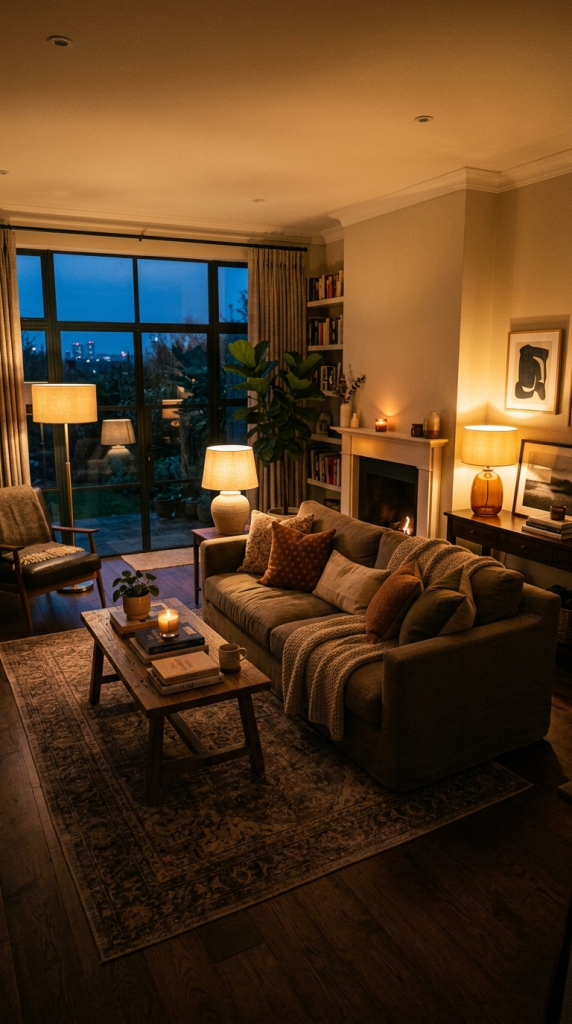
    Table lamps, floor lamps, and wall sconces create a softer glow. Warm white bulbs help create a relaxed mood, especially in the evening. Lamps placed at different heights make the room feel more intimate and welcoming.

    A lamp beside a reading chair, a small lamp on a side table, and soft ceiling lighting together can make the room feel calm and lived-in.

    If possible, dimmable lighting is even better because you can adjust the brightness based on the time of day.

    4. Bring in Natural Wood Elements

    Natural wood adds instant warmth because it introduces organic texture and earthy color. Even a modern living room can feel more inviting with wooden details.

    A wooden coffee table, side table, shelving unit, or picture frames can soften a space filled with metal or glass. Medium and darker wood tones tend to feel especially warm, though lighter oak can also work beautifully.

    Wood does not need to dominate the room. Even a few natural accents can make a noticeable difference. The goal is to create balance between polished surfaces and natural materials.

    Wood brings a grounded, timeless feeling that helps a room feel comfortable rather than overly styled.

    5. Add a Cozy Area Rug

    A large rug can visually anchor the living room while making it feel warmer and softer. Bare floors often make a room feel unfinished, especially if the flooring is tile, stone, or dark wood.

    Choose a rug with warm undertones—cream, rust, beige, terracotta, muted gold, or soft brown are all excellent options. Rugs with subtle patterns can also add character without overwhelming the room.

    Size matters. A rug that is too small can make the room feel disconnected. Ideally, at least the front legs of your seating should rest on the rug to create a more unified look.

    A soft rug underfoot makes the room physically and visually more comfortable.

    6. Decorate with Earthy Accents

    Warm living rooms often feel connected to nature. Earthy decorative accents help create that effect.

    Think terracotta vases, woven baskets, ceramic bowls, stone accessories, dried branches, or clay planters. These materials add texture and natural warmth without making the room feel cluttered.

    Earth-inspired colors such as rust, olive, caramel, ochre, and muted brown work especially well in decorative details. Even a few small pieces can bring life and softness to a neutral room.

    The beauty of earthy accents is that they feel relaxed and timeless rather than trendy.

    7. Create a Focal Point Around the Seating Area

    A warm living room should encourage conversation and relaxation. That often starts with the furniture layout.

    Arrange seating so it feels connected. Sofas and chairs facing each other or angled slightly inward create a more intimate atmosphere than furniture pushed against the walls.

    A coffee table in the center helps anchor the arrangement. Adding books, candles, or a small tray can make the seating area feel styled but still practical.

    If your room has a fireplace, large window, or statement art piece, use it as the focal point. When the furniture arrangement feels intentional, the whole room feels calmer and more welcoming.

    8. Include Curtains for Softness

    Curtains do more than cover windows—they soften the room visually and help create warmth.

    Choose fabrics like linen, cotton, or textured blends in warm neutrals or muted earth tones. Floor-length curtains often make the room feel more polished and cozy at the same time.

    Even if you love natural light, curtains can still help frame the windows and add softness to walls. Rooms without fabric often feel harder and less inviting.

    A simple pair of warm-toned curtains can make a surprisingly big impact.

    9. Style with Candles and Ambient Decor

    Small details can completely change the mood of a living room. Candles are one of the easiest ways to add warmth, even when they are not lit.

    Cluster candles of different heights on a tray, style them on a shelf, or place one on the coffee table. Lanterns, soft ceramic pieces, and small decorative bowls also create a warm layered look.

    These elements make the space feel personal and lived-in rather than overly perfect. Warm rooms often feel collected over time, not decorated all at once.

    Ambient decor helps create a peaceful atmosphere that feels ideal for evenings and quiet weekends.

    10. Add Greenery for Life and Freshness

    Plants bring life into a room and make it feel instantly more inviting. A warm living room does not need many plants—just a few thoughtfully placed ones can make a difference.

    A tall plant in a corner softens empty space. Smaller plants on shelves or side tables create freshness and balance. Natural greenery pairs beautifully with warm neutrals, wood tones, and textured fabrics.

    If you prefer low-maintenance options, dried stems, olive branches, or eucalyptus can also work well.

    Greenery adds softness, color, and a natural sense of calm that completes the cozy atmosphere.

  • 10 Modern Living Room Ideas

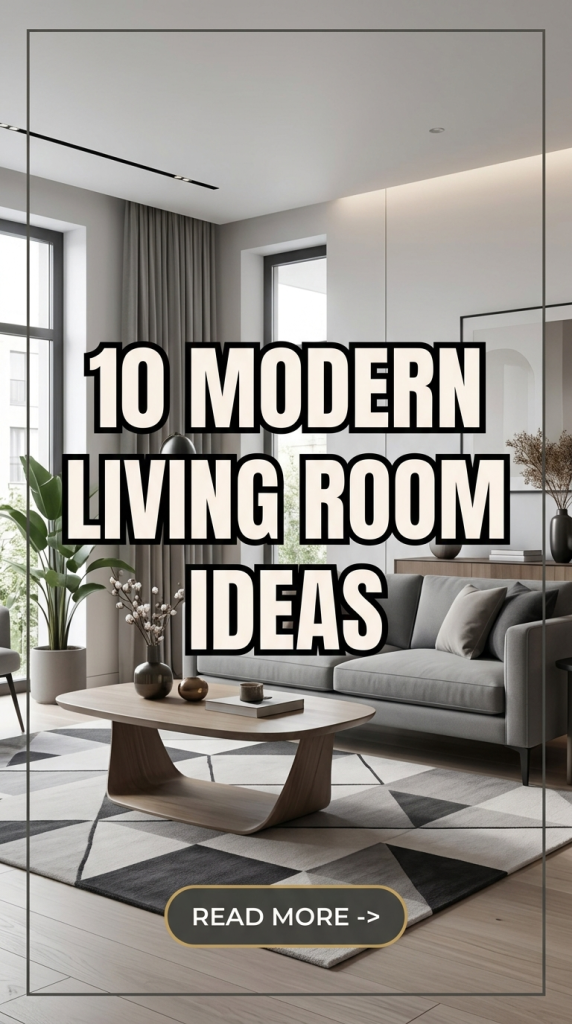
    10 Modern Living Room Ideas

    The living room is the heart of any home—a place where style meets comfort and where daily life unfolds. Modern living room design focuses on clean lines, functional layouts, and a balance between aesthetics and practicality. Whether you’re starting from scratch or refreshing your current setup, these ten modern living room ideas will help you create a space that feels both stylish and inviting.


    1. Minimalist Design with Clean Lines

    Modern living rooms often embrace minimalism. This means reducing clutter and focusing on essential furniture pieces with sleek, simple designs. Opt for neutral color palettes like white, beige, or gray, and choose furniture with straight lines and smooth finishes. The key is to create an open, airy environment where every item has a purpose.


    2. Neutral Base with Bold Accents

    A neutral base doesn’t have to be boring. Start with soft tones for walls and larger furniture, then add bold accents through cushions, rugs, or artwork. Deep blues, emerald greens, or even burnt orange can bring life to the room without overwhelming it. This approach keeps the space modern yet visually interesting.


    3. Statement Lighting Fixtures

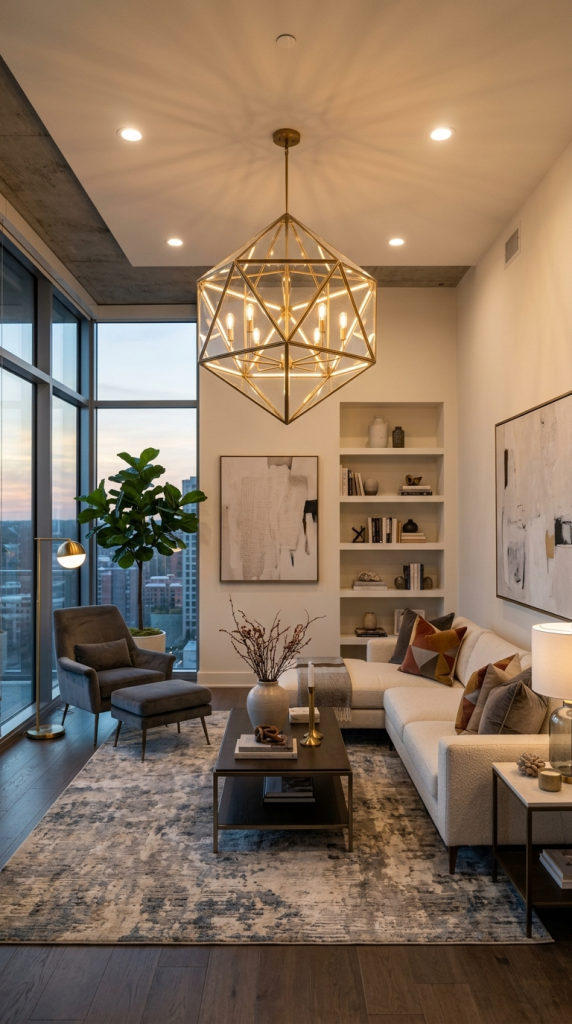
    Lighting plays a crucial role in modern design. Instead of traditional fixtures, go for statement lighting like geometric chandeliers, pendant lights, or sculptural floor lamps. These pieces not only illuminate the room but also act as eye-catching décor elements.


    4. Open Concept Layout

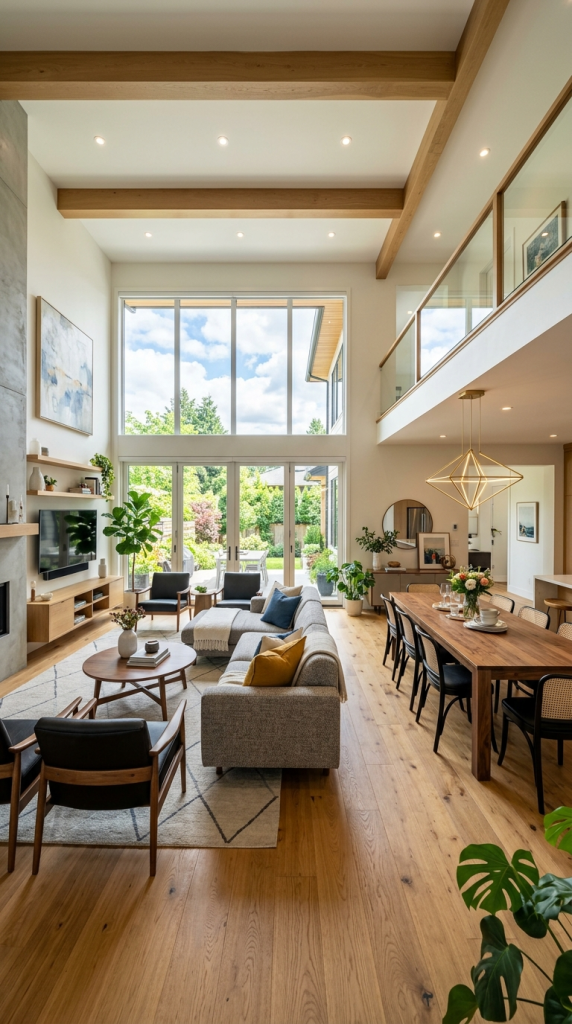
    Modern homes often feature open layouts that connect the living room with dining and kitchen areas. This creates a seamless flow and makes the space feel larger. Use rugs or furniture placement to subtly define different zones without breaking the openness.


    5. Functional Furniture with Storage

    Modern living rooms prioritize functionality. Choose furniture that offers hidden storage, such as coffee tables with compartments or sofas with built-in storage. This helps keep the space tidy and clutter-free while maintaining a sleek appearance.


    6. Natural Elements and Textures

    Incorporating natural materials adds warmth to a modern living room. Think wooden furniture, stone accents, or indoor plants. Textures like linen, wool, and leather create depth and make the space feel cozy despite its minimalist design.


    7. Large Wall Art or Gallery Walls

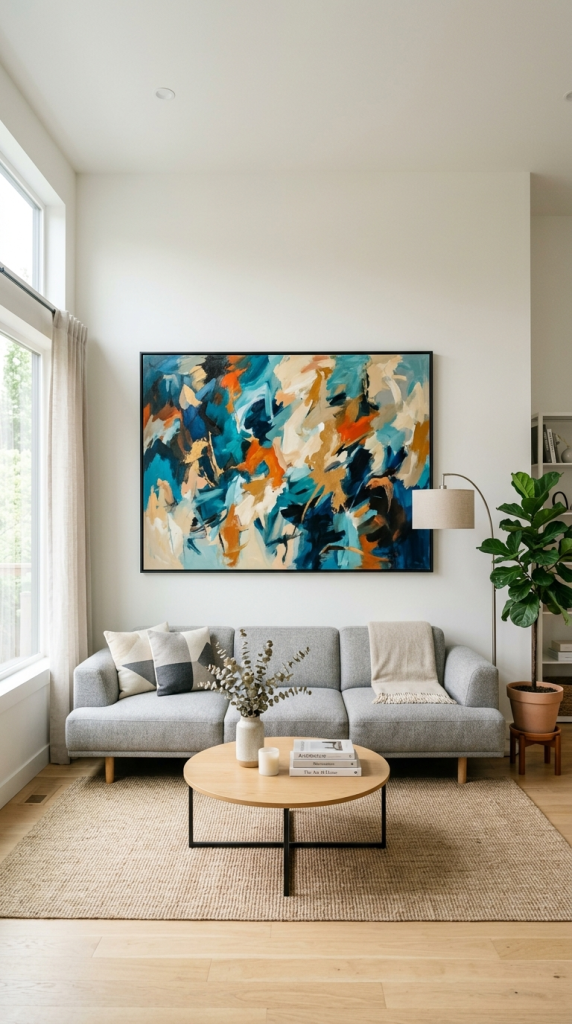
    Instead of filling your space with many small decorations, opt for one large piece of wall art or a curated gallery wall. Abstract paintings, black-and-white photography, or modern prints can add personality and serve as a focal point in the room.


    8. Smart Technology Integration

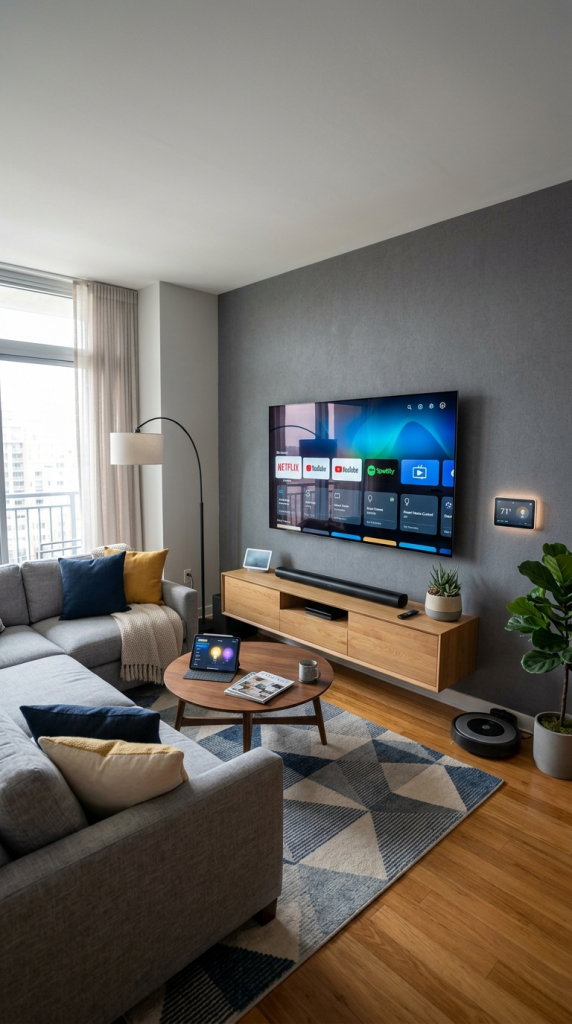
    Modern living rooms often include smart technology for convenience and efficiency. From smart TVs and lighting systems to voice-controlled assistants, integrating technology seamlessly into your design enhances both functionality and comfort.


    9. Monochrome Color Schemes

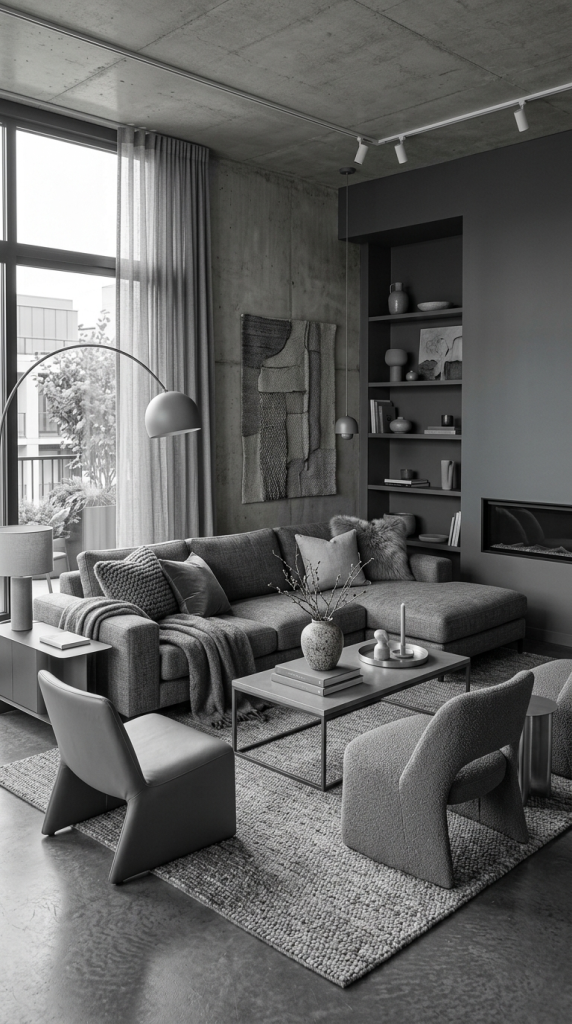
    A monochrome palette—using different shades of a single color—can create a sophisticated and cohesive look. For example, layering shades of gray or beige adds depth without introducing too many contrasting colors, keeping the design clean and modern.


    10. Cozy Yet Contemporary Seating

    Comfort is just as important as style. Choose plush sofas with modern silhouettes, accent chairs with unique shapes, and layered textiles like throws and cushions. This combination ensures your living room feels welcoming while maintaining a contemporary vibe.
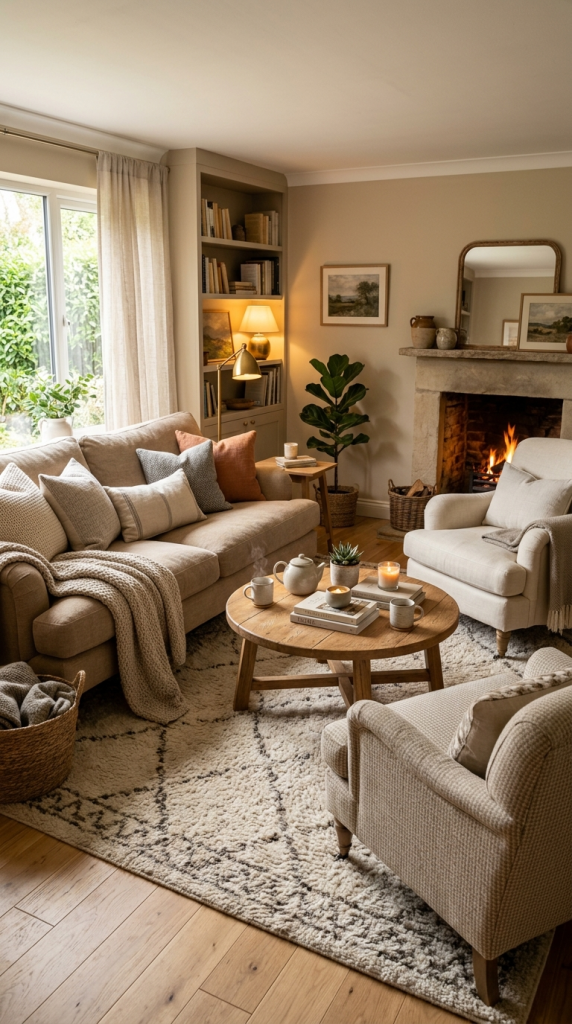
  • 10 Home Design Living Room Ideas

    10 Home Design Living Room Ideas

    The living room is the heart of any home—a place where comfort meets style, and where family and guests gather. Designing a living room that feels both inviting and visually appealing can completely change the atmosphere of your home. Whether you prefer modern minimalism or cozy traditional vibes, the right design choices can elevate your space. Below are 10 inspiring living room ideas to help you create a beautiful and functional environment.


    1. Minimalist Modern Living Room

    A minimalist living room focuses on simplicity, clean lines, and clutter-free spaces. Neutral color palettes such as white, beige, and grey dominate this style. Choose sleek furniture with hidden storage and keep decorations minimal. A statement sofa or a single piece of artwork can add character without overwhelming the room.
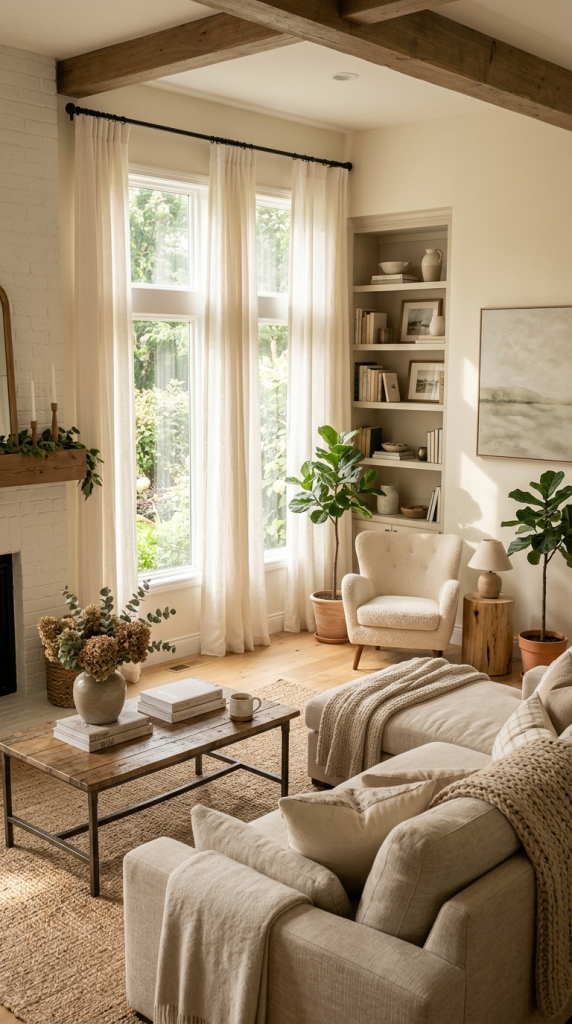

    2. Cozy Rustic Charm

    Rustic living rooms bring warmth and a natural feel into your home. Use wooden furniture, exposed beams, and earthy tones like brown, green, and terracotta. Add soft textiles such as knitted throws and wool rugs to create a cozy atmosphere. This design works especially well for those who love a homely and relaxed environment.


    3. Scandinavian Simplicity

    Scandinavian design blends minimalism with comfort. Light colors, natural wood, and soft textures define this look. Large windows, indoor plants, and simple décor create a bright and airy feel. Functional furniture with clean lines ensures the space remains practical while looking elegant.


    4. Luxurious Contemporary Style

    If you prefer a more upscale look, go for a contemporary luxury design. Use rich materials like velvet, marble, and metallic accents such as gold or chrome. Statement lighting, such as chandeliers or designer lamps, can elevate the entire room. Stick to a cohesive color palette for a polished finish.


    5. Bohemian Living Room

    Bohemian style is all about creativity and self-expression. Mix vibrant colors, patterns, and textures to create a relaxed and artistic vibe. Layer rugs, add cushions with different prints, and include plants for a natural touch. This design allows you to experiment freely and showcase your personality.


    6. Industrial Chic Design

    Industrial living rooms feature raw materials like exposed brick, metal, and concrete. Neutral tones like grey, black, and brown dominate this style. Pair a leather sofa with metal fixtures and vintage lighting to achieve an urban, edgy look. It’s perfect for loft-style homes or modern apartments.
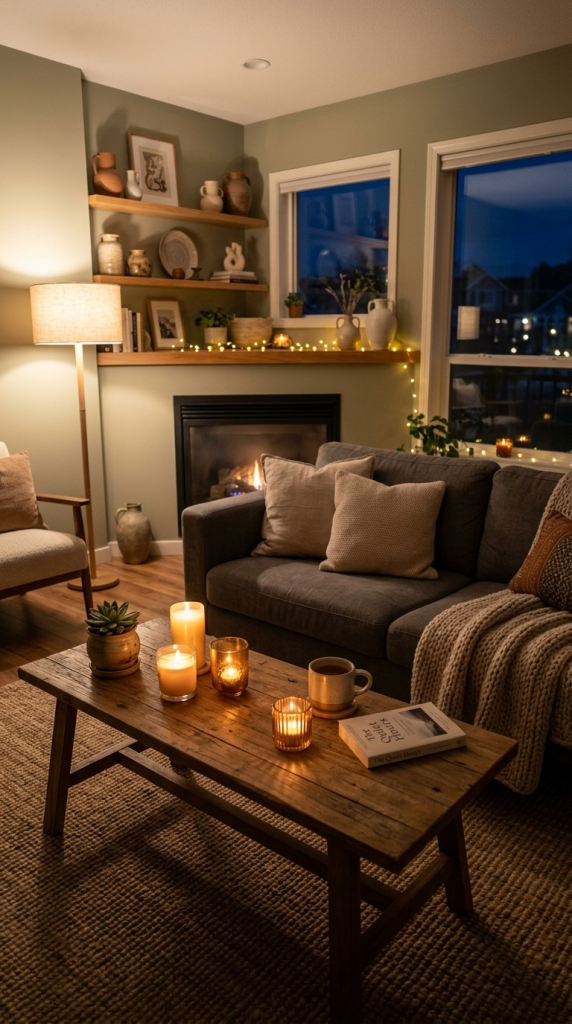

    7. Classic Traditional Living Room

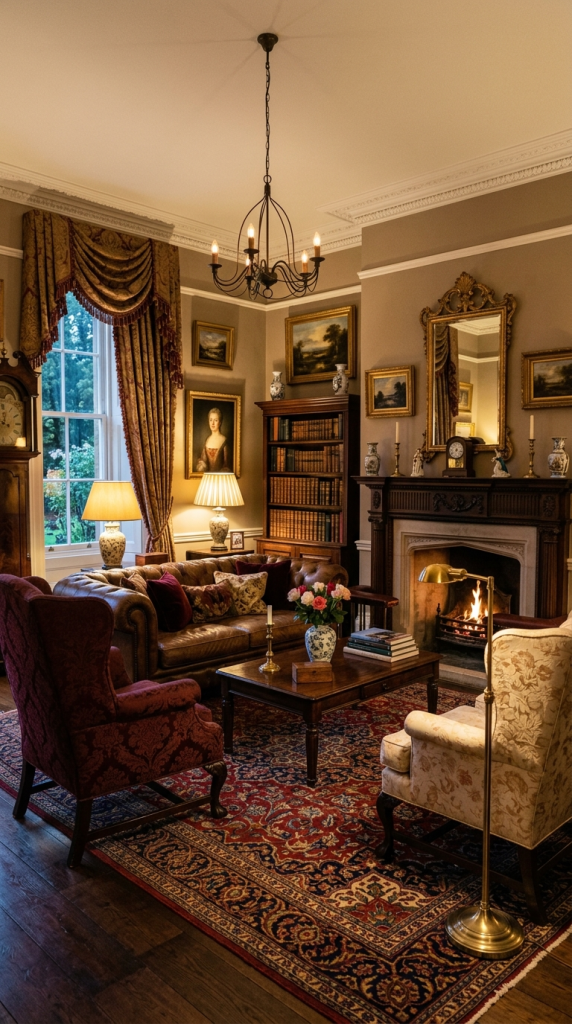
    A traditional living room never goes out of style. Rich wood furniture, elegant fabrics, and symmetrical arrangements define this look. Choose warm colors like cream, gold, and burgundy. Add classic elements such as framed artwork, lamps, and decorative cushions for a timeless appeal.
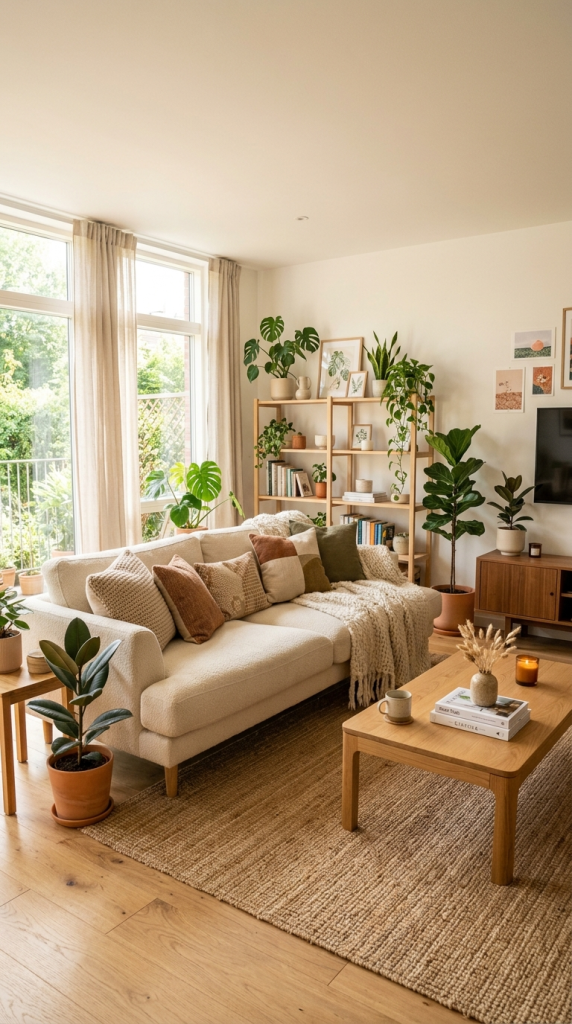

    8. Small Space Smart Design

    If your living room is small, smart design choices can make it feel bigger. Use multi-functional furniture like sofa beds or storage ottomans. Light colors and mirrors help create the illusion of space. Keep the layout simple and avoid overcrowding with too many items.

    9. Nature-Inspired Living Room

    Bring the outdoors inside by incorporating natural elements. Use indoor plants, wooden textures, and earthy tones. Large windows or sheer curtains allow natural light to flow in. This design creates a refreshing and calming environment, ideal for relaxation.


    10. Open-Concept Living Room

    An open-concept design combines the living room with dining or kitchen areas. Use rugs, lighting, or furniture placement to define different zones within the space. This layout promotes interaction and makes your home feel more spacious and modern.

  • 10 Living Room Wall Color Ideas

    10 Living Room Wall Color Ideas

    Your living room is the heart of your home—a place where you relax, entertain guests, and spend quality time with family. One of the most impactful ways to refresh this space is by choosing the right wall color. The color you select sets the tone, influences mood, and defines the overall aesthetic of the room. Whether you prefer a cozy, bold, or minimalist vibe, the right shade can completely transform your living area.

    Below are ten inspiring living room wall color ideas to help you create a space that feels both stylish and inviting.


    1. Soft Neutral Beige

    Beige is a timeless and versatile choice that creates a warm and welcoming atmosphere. It works beautifully with almost any décor style—from modern to traditional. Soft beige walls allow furniture and décor pieces to stand out while maintaining a calm and balanced look. Pair it with wooden textures and white accents for a cozy feel.


    2. Classic White Elegance

    White walls are perfect for those who love a clean, minimalist aesthetic. This color makes your living room feel larger, brighter, and more open. It also reflects natural light beautifully. You can add personality through colorful cushions, artwork, or rugs without overwhelming the space.


    3. Warm Terracotta

    Terracotta brings a rich, earthy warmth to your living room. Inspired by natural clay tones, it creates a cozy and grounded environment. This color works especially well in spaces with lots of natural light and pairs nicely with greenery, wooden furniture, and neutral textiles.


    4. Moody Navy Blue

    For a bold and sophisticated look, navy blue is an excellent choice. It adds depth and drama to your living room while maintaining elegance. Navy walls look stunning when paired with gold accents, white trims, or light-colored furniture for contrast.


    5. Sage Green Serenity

    Sage green is a calming and refreshing color inspired by nature. It promotes relaxation and brings a sense of peace to your living room. This soft green shade pairs beautifully with natural materials like wood, linen, and rattan, making it ideal for a modern organic style.

    6. Charcoal Gray Modern Touch

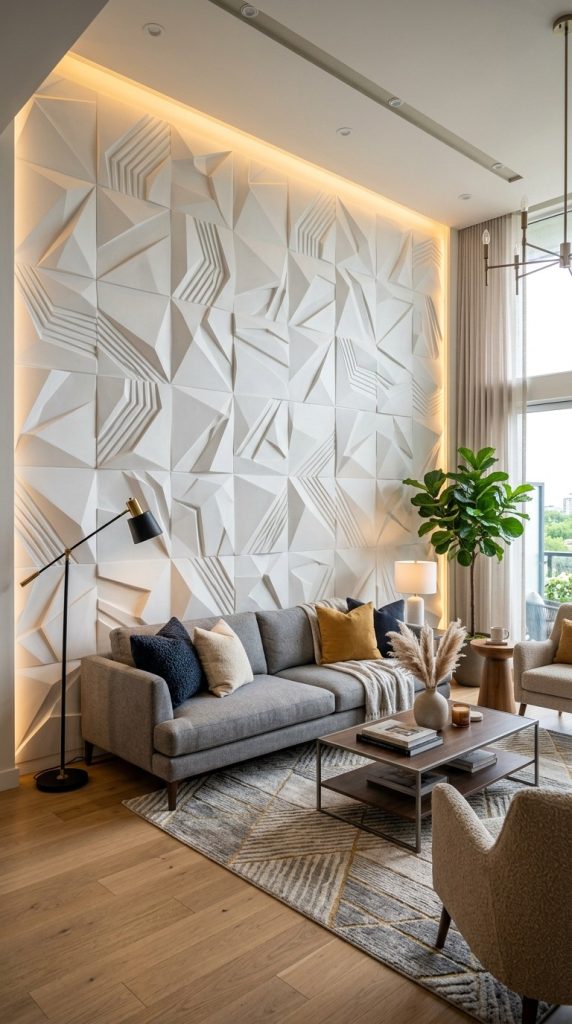
    Charcoal gray offers a sleek and contemporary look. It’s perfect for creating a modern and stylish living room without going too dark. This color works well with metallic accents, glass elements, and lighter furniture to maintain balance and prevent the room from feeling too heavy.


    7. Blush Pink Subtle Charm

    Blush pink adds a soft and elegant touch to your living room without being overly feminine. It creates a warm and inviting environment and pairs beautifully with gold, gray, and white tones. This color is perfect if you want a gentle pop of color while keeping things sophisticated.


    8. Deep Forest Green

    Forest green is a bold yet calming choice that brings richness and depth to your living room. It works especially well in larger spaces or rooms with plenty of natural light. Pair it with leather furniture, brass accents, and dark wood for a luxurious feel.


    9. Sunny Mustard Yellow

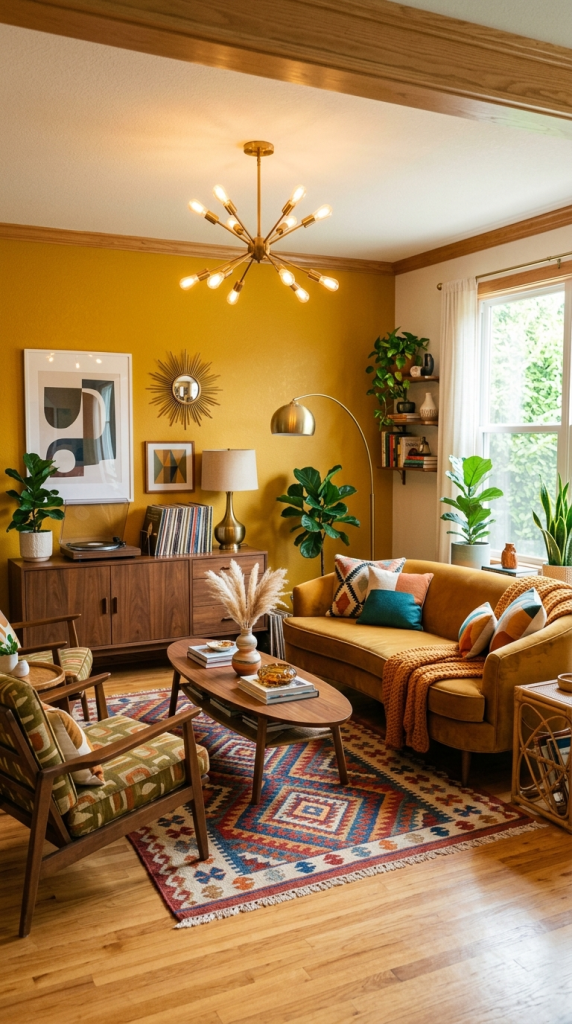
    Mustard yellow is perfect for adding energy and warmth to your living room. It creates a cheerful and inviting atmosphere without being too bright. This color works well with mid-century modern décor and pairs beautifully with browns, whites, and dark blues.


    10. Two-Tone Walls

    If you can’t decide on just one color, consider a two-tone wall design. This trend involves combining two complementary colors—such as white and gray or beige and green—to create visual interest. You can divide the wall horizontally or vertically for a modern and creative look.

  • 10 Glowing Centerpiece Ideas for  Living Room

    10 Glowing Centerpiece Ideas for Living Room

    Lighting has the power to completely transform a living space. A glowing centerpiece not only enhances the beauty of your living room but also creates a warm, inviting atmosphere. Whether you prefer modern minimalism or cozy elegance, the right centerpiece can become the focal point that ties your entire room together. Below are ten creative glowing centerpiece ideas that will elevate your living room décor and leave a lasting impression.

    1. Candle Cluster Elegance

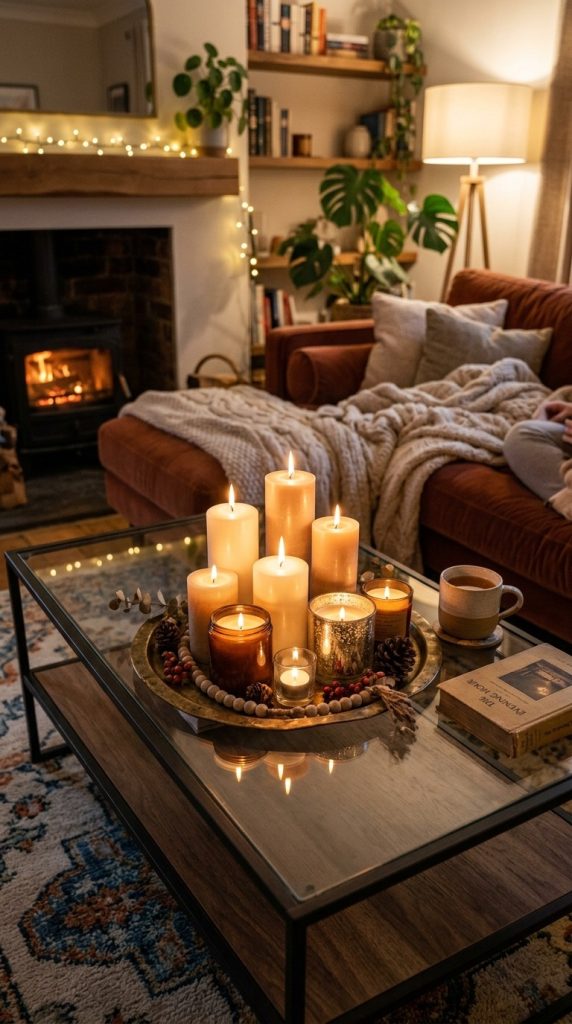
    Nothing beats the timeless charm of candles. Arrange a cluster of candles in varying heights on a decorative tray or mirrored base. Use scented candles for an added sensory experience. Soft, flickering light instantly creates a cozy and relaxing environment, perfect for evenings or gatherings.

    2. LED Glass Bowl Display

    A glass bowl filled with LED string lights can create a magical glow. Add decorative elements like pebbles, artificial flowers, or crystals to enhance the look. This idea works beautifully on coffee tables and adds a subtle sparkle without overwhelming the space.

    3. Lantern-Style Centerpiece

    Lanterns bring a rustic yet elegant vibe to your living room. Place a candle or LED light inside a decorative lantern and set it at the center of your table. You can choose metal, wooden, or vintage-style lanterns depending on your theme.

    4. Glowing Floral Arrangement

    Combine flowers with light for a stunning visual effect. Use artificial or real flowers in a vase wrapped with fairy lights. This creates a soft glow that highlights the beauty of the arrangement, making it both fresh and radiant.

    5. Acrylic Light Blocks

    Modern and stylish, acrylic blocks with built-in LED lights can serve as a sleek centerpiece. These often come in geometric shapes and can change colors, adding a dynamic and futuristic feel to your living room.

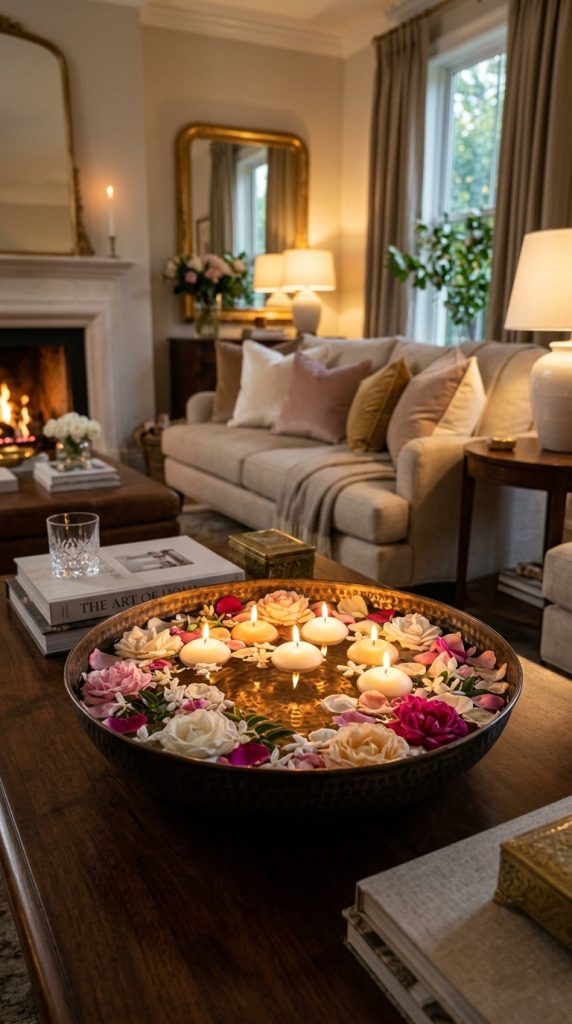
    6. Floating Candle Bowl

    A large bowl filled with water and floating candles creates a serene and elegant centerpiece. Add flower petals or decorative stones for extra beauty. The reflection of light on water gives a calming and luxurious effect.

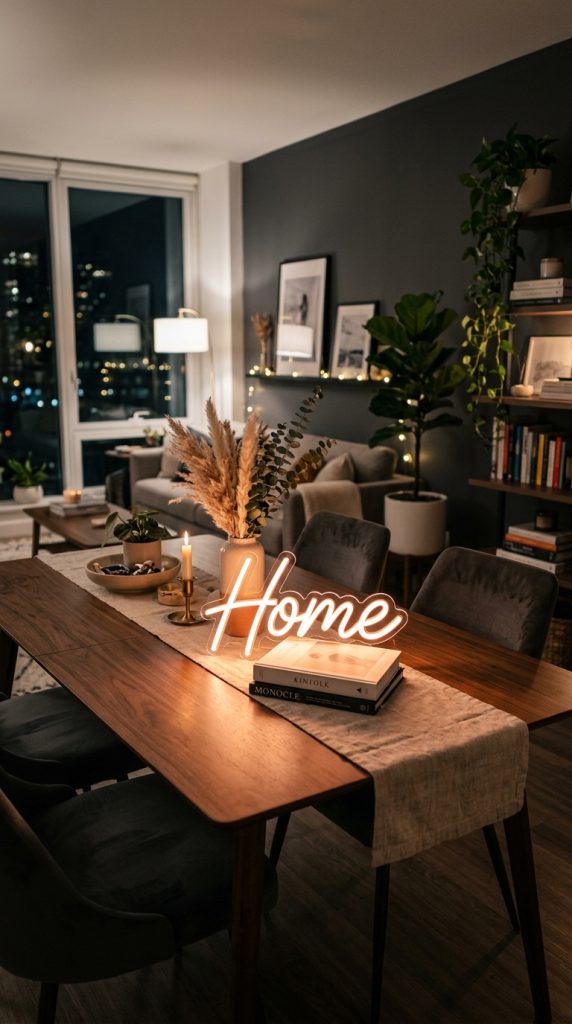
    7. Neon Word or Symbol Decor

    For a contemporary look, use a small neon sign as your centerpiece. Words like “Home,” “Love,” or simple shapes can bring personality and vibrancy into your living room. This idea is especially popular in modern and youthful interiors.

    8. Crystal Lamp Centerpiece

    A small crystal lamp placed in the center of your table can reflect light beautifully across the room. The sparkling effect adds a touch of glamour and sophistication, making your space feel more refined.

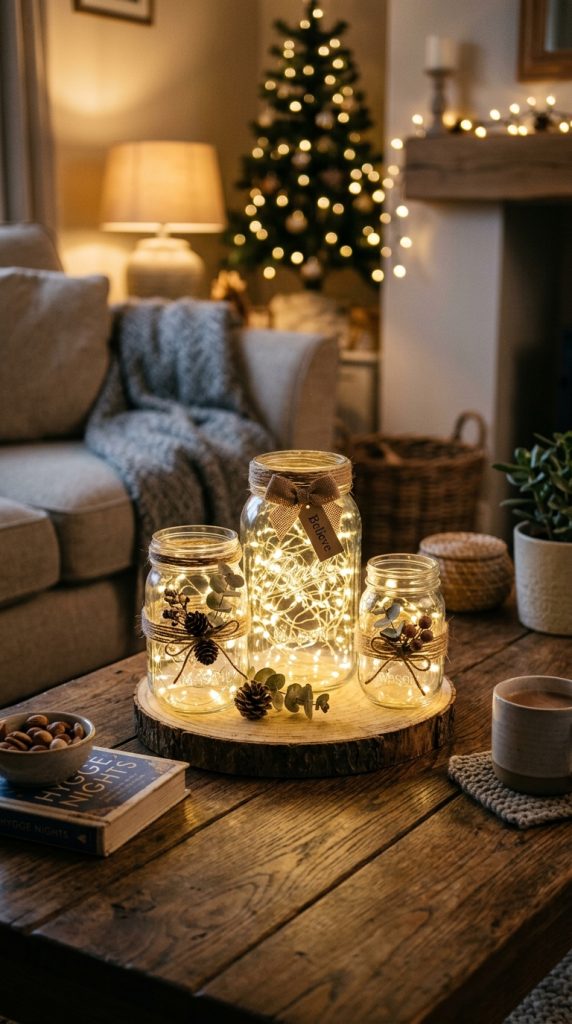
    9. Mason Jar Light Arrangement

    Fill mason jars with fairy lights or LED candles and arrange them creatively. You can decorate the jars with ribbons, paint, or lace for a personalized touch. This DIY idea is budget-friendly and charming.

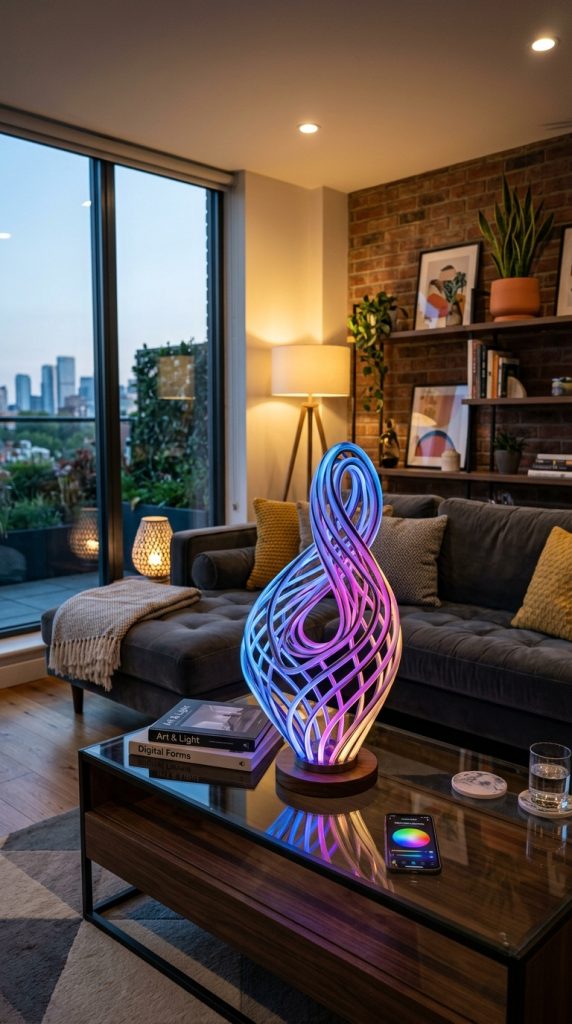
    10. Smart LED Sculpture

    A smart LED sculpture or artistic light piece can act as both décor and technology. Many modern designs allow you to control brightness and colors through your phone, letting you adjust the ambiance anytime.

  • 10 POP Design Ideas for Living Room

    10 POP Design Ideas for Living Room

    Plaster of Paris (POP) designs have become a cornerstone of modern interior décor, especially for living rooms where style and comfort meet. POP is versatile, cost-effective, and perfect for creating stunning ceilings and wall features that elevate the overall ambiance of a home. Whether you prefer a minimalist look or a luxurious finish, POP designs can transform your living space into something truly impressive.

    In this article, we’ll explore 10 creative POP design ideas for living rooms that blend functionality with aesthetics.


    1. Minimalist POP Ceiling Design

    If you prefer a clean and modern look, a minimalist POP ceiling is an excellent choice. Simple geometric patterns with soft lighting create a calm and elegant atmosphere. This design works especially well in smaller living rooms where too much detail can feel overwhelming.


    2. Layered False Ceiling Design

    Layered POP ceilings add depth and dimension to your living room. By combining multiple levels, you can create a visually appealing structure that highlights lighting fixtures and enhances the room’s architecture.


    3. POP Ceiling with LED Lighting

    Integrating LED strip lights into POP ceilings is a popular trend. The soft glow of concealed lighting adds warmth and sophistication, making your living room feel cozy and modern at the same time.


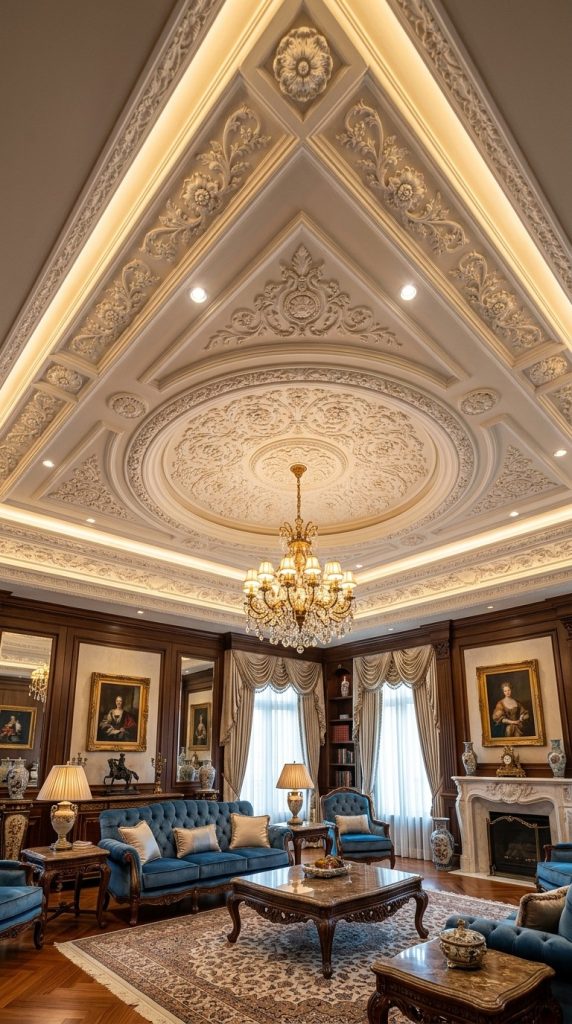
    4. Circular POP Ceiling Design

    Circular or dome-shaped POP designs create a focal point in the center of the living room. This style works beautifully with chandeliers or decorative lights, adding a luxurious touch to the space.


    5. Floral POP Design

    Floral patterns in POP designs bring a classic and artistic feel to your living room. These designs are perfect for those who want a decorative and traditional look with intricate detailing.


    6. POP Wall Panels

    POP is not just limited to ceilings—you can also use it to design stylish wall panels. Textured or 3D POP wall designs can serve as an accent wall, making your living room more dynamic and visually appealing.


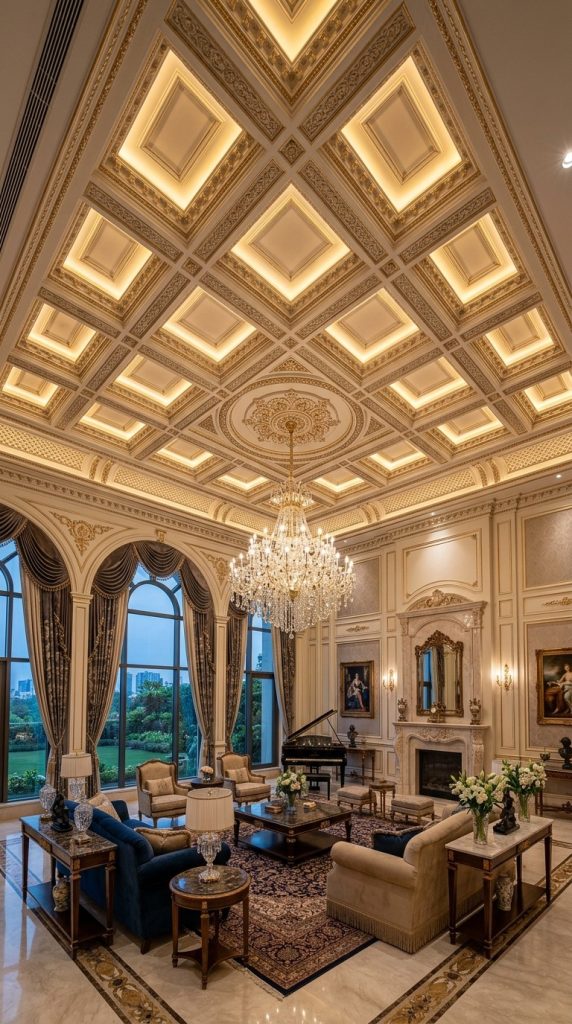
    7. Coffered POP Ceiling

    Coffered ceilings feature a grid of recessed panels that add elegance and structure. This design is ideal for large living rooms, giving them a sophisticated and high-end appearance.


    8. Geometric Pattern POP Design

    Modern homes often embrace geometric patterns in POP designs. Shapes like squares, rectangles, and hexagons create a contemporary vibe and pair well with modern furniture.


    9. POP Ceiling with Wooden Finish

    Combining POP with wooden textures creates a warm and natural look. This fusion design balances modern style with earthy tones, making your living room feel inviting and stylish.


    10. Artistic POP Ceiling Design

    For those who want something unique, artistic POP designs allow for creative expression. Custom shapes, abstract patterns, or even themed designs can turn your living room ceiling into a piece of art.

  • 10 Mural Wall Art Ideas for Living Room

    10 Mural Wall Art Ideas for Living Room

    A living room is the heart of a home, and mural wall art can completely transform its atmosphere. Unlike small framed pictures, murals create a bold visual impact, adding personality, depth, and creativity to your space. Whether you prefer modern minimalism or vibrant artistic expression, there is a mural style for every taste.

    Below are 10 inspiring mural wall art ideas for living rooms that can elevate your interior design and turn a plain wall into a stunning focal point.


    1. Nature-Inspired Forest Mural

    A forest mural brings calmness and freshness into your living room. Tall trees, soft mist, and greenery create a peaceful escape right inside your home. This style works especially well in neutral or wooden-themed interiors.

    You can choose a realistic forest scene or a soft watercolor-style illustration for a more artistic touch.


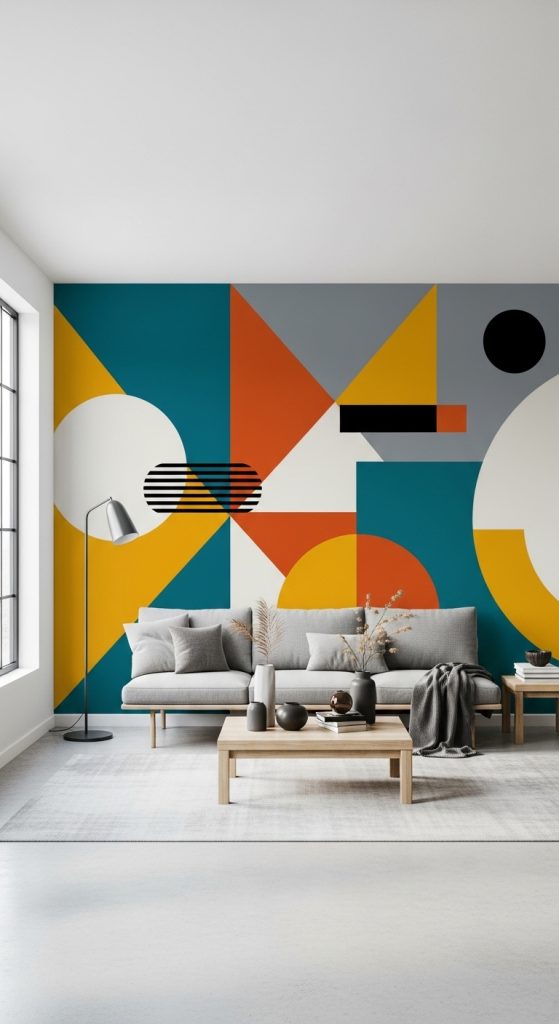
    2. Abstract Geometric Wall Art

    Abstract geometric murals are perfect for modern homes. Bold shapes, clean lines, and contrasting colors create a stylish and energetic vibe. This type of mural adds structure and visual interest without being too overwhelming.

    It pairs well with minimalist furniture and monochrome color schemes.


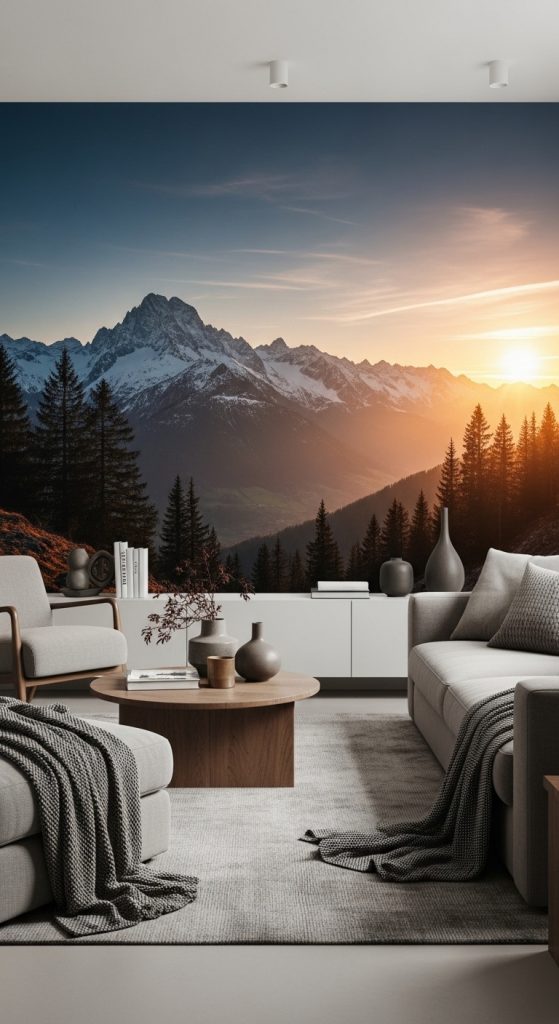
    3. Mountain Landscape Mural

    A mountain mural gives your living room a sense of adventure and openness. Snowy peaks, sunset tones, or mist-covered hills create a dramatic yet calming environment.

    This design is ideal for people who love travel, nature, and peaceful aesthetics.


    4. Floral Wall Mural Design

    Floral murals add softness and elegance to any living room. Large blooming flowers, delicate petals, or botanical illustrations can brighten the space instantly.

    You can go for pastel tones for a romantic feel or bold colors for a lively and cheerful atmosphere.


    5. City Skyline Mural

    A city skyline mural brings a modern urban vibe into your living space. Whether it’s New York, Paris, or a fictional cityscape, this design adds sophistication and energy.

    Night skyline murals with glowing lights are especially popular for contemporary interiors.


    6. 3D Illusion Wall Mural

    3D illusion murals create depth and optical effects that make your wall look like it extends beyond reality. From tunnel effects to floating shapes, this style is perfect for making a bold statement.

    It works best in modern and futuristic interior designs.


    7. Bohemian Pattern Mural

    Bohemian murals use earthy tones, tribal patterns, mandalas, and cultural motifs. They create a warm, artistic, and relaxed atmosphere in the living room.

    This style is perfect for cozy spaces with textured fabrics, rugs, and handmade décor.


    8. Ocean and Beach Theme Mural

    An ocean mural brings a refreshing coastal vibe to your home. Waves, sandy beaches, and blue skies create a soothing environment that feels like a vacation every day.

    This is ideal for bright and airy living rooms.


    9. Black and White Minimalist Mural

    For those who prefer simplicity, a black and white mural offers timeless elegance. It could be line art, sketches, or monochrome landscapes.

    This style blends easily with any interior décor and never goes out of fashion.


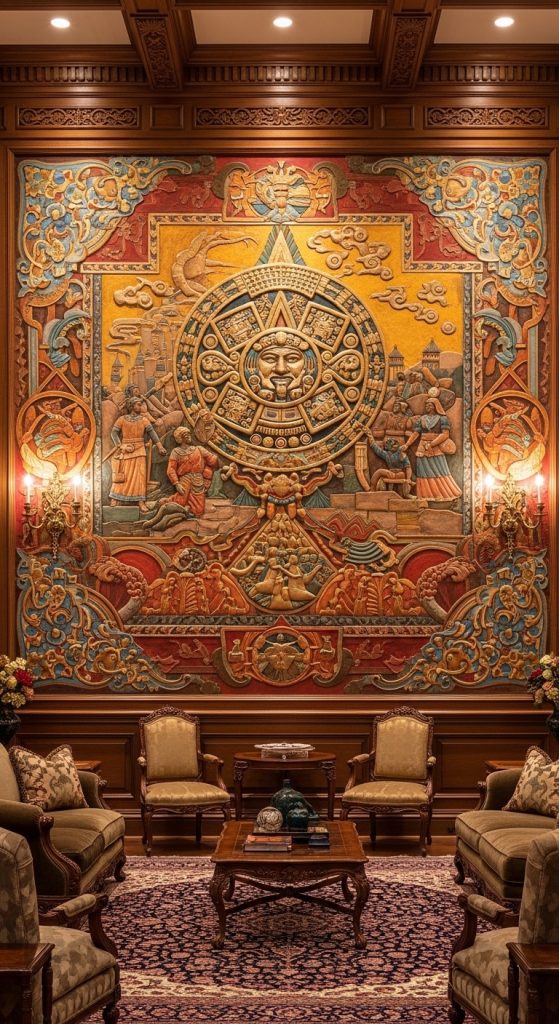
    10. Cultural or Traditional Art Mural

    Cultural murals reflect heritage, storytelling, and tradition. From Islamic geometric art to South Asian patterns or ancient murals, this style adds meaning and identity to your space.

    It works beautifully as a statement wall in a formal living room.


    Final Thoughts

    Mural wall art is more than decoration—it is an expression of personality and mood. Whether you want a calm natural scene or a bold modern design, the right mural can completely redefine your living room. Choose a style that reflects your taste and complements your furniture, lighting, and overall theme.

    A well-designed mural turns an ordinary wall into a masterpiece that guests will always remember.